
MEET THE
SPEAKERS
Get to know our Speakers!
Click on a name to learn more.
Dr. Jake Porter* EdD, LPC, LCPC, NCC, CSAT-S,
CMAT, CCPS, CCTP, PMAP, PSAP, Author
Matthew Wenger* MA, LPC, CSAT, CCPS
Jeanne Vattuone* LCSW, CCPS-S, CSAT-S, CPTTS, Author
Mike Vaughn* MA, LCMHC, CSAT, Author
James Annear* LMHC, CSAT-S, CCTP, CCPS-S,
FQS
Sharon Rinearson* LCSW, CCPS, CCPT, CST, FQS
William Feck* LPC-MHSP, NCC, CSAT, Doctoral
Candidate
Lexi Barruso* MEd, A-LPC/MHSP-Temp, CSAT-C
Mordy Gottlieb* LCSW-S, CSAT, ART
Allan J Katz* LPC-S, MHSP, CSAT, Author
Carley Pool* MA, LPC, CSAT, MPTM, Doctoral
Candidate
Sheila Maitland* LCMHCS, CSAT, LCMHCA, LCSW, CPTT
Dan Drake* LCMHCS, CSAT, LCMHCA, LCSW, CPTT
Drew & Jamie Powell* PSAP, CEC
Connie & Bob Spiegel MCPC, CLCI, CCR
Bill Fagan* MS, NCC, LPC, CSAT, CCTP
Eileen Fagan* MS, NCC, LPC, CSAT, CCTP
Dr. Barbara Steffens* PhD, BCC, CPC, Retired
Clinical Counselor, Author
Dr. Eddie Capparucci* PhD, LPC, C-CSAS, CPCS,
Author
Sarah Morales CPC, CRC, APSATS-CPC
Julia Alperovich* LMFT, CSAT, CMAT, CCPS,
Doctoral Candidate
Rev. Daniel Gowan* MDiv, MA, LPC-S, LCDC, CSAT
Kim Hansen Petroni* MA, BCC, CPC-S, CES-S
Troy Haas* MDiv, CSAT, CMAT, PSAP-S,CADC-II
Melissa Haas* MA, MAMFT, CSAT, CMAT, CCBRT
Troy Snyder* MS, CCSAS, CPCS, LPC
Michele Saffier* LMFT, CSAT-S, CET, Author
Debra Kaplan* MA, MBA, LPC, CSAT-S, CMAT, CPTT Trained
Pam Blizzard CPC, ADOH, ERCEM
Joanna Raabsmith* MDiv, LMFT, CCPS, CPTT
Matthew Raabsmith* MDiv, CPC, CCSAS, PCC
Tabitha Westbrook* LMFT-S, LCMHC-QS, LPC-S, CSAT, CCTP, CCTCP
Alonso Pool CPC
Jill Pool CPC, ADOH
Dr. Crystal Hollenbeck* EdD, LMHC, CCS, CCBRT, CST, CSAT, CCPS, DSTT, CCDG, CHFP, ERCEM, BC-TMH, Author
Dr. Connie Zollner* PsyD, LMHC, LPC, CSAT, CCPS
Dr. Jessica Lamar* PsyD, LMHC, LPC, CPTT, CCBRT-C
Michelle Holleman* MS, LCAS, CSAT, CPTT, CMAT, CST, PhD -C
Michelle Gallimore* MS, MTS, LCMHC-S, CPTT, CSAT
Emily Garcia* LCSW
Michael Cary CPSAS
Ellia Marcum CPC, CYPFC, CMHC
Dr. Lisa Dawn Fox DPM, CPC, CDVS, MPTM, MCPG, CDGS
Dr. Stephanie Emde* PsyD, CSAT
Michael Dinneen* LCSW, CSAT-S
Spencer Kline* MA, LPCC-S, CSAT
*Indicates sessions offering Continuing Education Credits
Lit Path has partnered with APSATS to offer continuing education (CE) credits. The Association of Partners of Sex Addicts Trauma Specialists (APSATS) has been approved by NBCC as an Approved Continuing Education Provider, ACEP No.7435. Sessions that do not qualify for NBCC credit are clearly identified. APSATS is solely responsible for all aspects of this program.
Exploration Options
Choose Your Conference Journey Each track is thoughtfully designed to support you in your specific role and season of healing.
Guiding Light (All Attendees) General sessions for everyone, offering shared learning, inspiration, and community connection.
Courageous Explorers (CSBD Track) For individuals struggling with compulsive sexual behaviors. Provides recovery tools, accountability strategies, and pathways toward lasting change.
Resilient Travelers (Partner Track) For partners navigating betrayal trauma. Offers validation, practical tools, and support for boundaries, recovery, and renewed strength.
Restored Pathways (Couples Track) For couples pursuing relational healing together. Focused on rebuilding trust, improving communication, and restoring connection.
Exploration Guides (Clinical Track) For clinicians, coaches, and all professionals. Features advanced insight, practical interventions, and CE opportunities.
Meet Our Emcee: Navigating the Conference with Humor, Honesty & Hope
HUGH NASH
MDiv, Author, Speaker, Podcast Host
Hugh Nash has worked in the field of mental health and addiction for over 32 years. His passion comes from his own personal recovery journey that began in 1986 and the freedom he experiences today as a husband, father, and leader.
In the course of his professional journey, Hugh’s vast experience has ranged from counseling and coaching, program administration and development, admissions, marketing, and outreach. In 2010 he was awarded “The Professional of the Year” in the state of Tennessee by TAADAC for his dedication and work in the field of addiction. Hugh leads with compassion, empathy and understanding in his work with those struggling with mental health disorders, trauma and addiction.
Hugh lives in Nashville, TN where he enjoys spending time with his wife and two daughters.
Renew & Reconnect: Experts Leading Restorative Activities
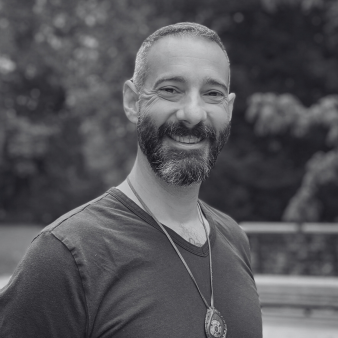
STEVEN ROCCAZZELLA
Breathwork Instructor and Oxygen Advantage Functional Breathing Instructor
Breathing is more than just inhaling and exhaling — it’s a powerful tool for healing. Through breathwork, you'll learn to use your breath to calm your nervous system, reduce stress, and build resilience in the face of life’s challenges. Backed by science, this practice helps regulate heart rate, lower blood pressure, and promote overall well-being. Steven Roccazzella, a certified breathwork instructor, brings both professional expertise and personal experience to this practice. After 13 years in law enforcement left him grappling with chronic pain, PTSD, and depression, Steven found hope in breathwork. What began as a daily practice of breathwork and cold exposure transformed his life, leading him to recovery and renewed purpose.
Steven leads ILC's clients in breathwork and cold exposure therapy helping others navigating their own battles with anxiety, trauma, and stress. His session will guide you through controlled breathing exercises that safely stimulate a stress response — giving you the chance to process it in a supportive environment. Over time, this practice trains your body and mind to respond to real-life stressors with greater calm and control. This is not about instant solutions. It’s about discovering your body’s natural capacity to heal and learning tools that can support you long after the session ends. Join Steven and take an empowering step forward on your healing journey.
MARA GIOVANNI
MSW, Founder of Kali Connection Therapy
Mara Giovanni, MSW, is a Nashville-based somatic trauma therapist and the founder of Kali Connection Therapy® (KCT), a neuroscience-informed, movement-based approach that integrates co-regulation, relational attunement, and embodied precision to help clients move from reactivity to empowered regulation. Her work focuses on completing defensive stress cycles, restoring agency, and transforming shame-driven patterns at the nervous system level.
KCT is especially powerful for couples seeking reconnection. Through structured, partner-based movement sequences, participants reestablish safety, rhythm, and mutual responsiveness in real time. The work intentionally engages the play state, allowing activation without threat and making the process both regulating and surprisingly enjoyable. While the experience feels relational and connective, participants are also unknowingly strengthening embodied boundary-setting and self-defense skills underneath. Mara facilitates experiential groups and trainings nationally and is known for translating neuroscience into practical, body-based interventions that create measurable shifts in presence, connection, and agency.
Guiding Light Pioneers Track
SUBJECT: A Somatic Approach to Regulation and Relational Repair Through Kali Connection Therapy®*
Sexual behavior recovery work often includes strong cognitive, behavioral, and relational components. Kali Connection Therapy® (KCT) is designed as a powerful bottom-up addition to that work, directly addressing the autonomic dysregulation that can drive compulsive patterns and relational rupture.
Grounded in polyvagal theory, habit loop neuroscience, and this experiential workshop explores how incomplete defensive stress responses can continue to influence behavior at a nervous system level. Through structured, partner-based movement sequences, participants enter an intentional play state where activation occurs without threat. This allows individuals to complete stress cycles while remaining socially engaged and connected.
For couples, KCT functions as somatic reconnection. Partners practice rhythm, boundary clarity, mutual responsiveness, and co-regulation in real time. Safety is experienced physically, not just discussed conceptually. Underneath the relational engagement, participants are strengthening embodied boundary-setting and self-protection skills, reinforcing both individual agency and relational trust.
Participants will learn to:
• Understand compulsive patterns through autonomic state shifts
• Recognize sympathetic overactivation and shutdown responses in clients and couples
• Facilitate structured, play-based movement to support regulation and stress cycle completion
• Integrate somatic reconnection practices alongside existing therapeutic frameworks
This presentation offers clinicians and couples a practical, experiential tool that complements existing treatment models by bringing regulation, safety, and agency online from the bottom up.
Guiding The Journey: The Experts Leading the Conversation
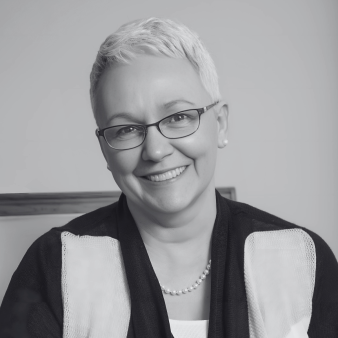
DR. BARBARA STEFFENS
PhD, BCC, CCPS-S, CPC-S, LPCC, Author
Dr. Barbara Steffens has been at the forefront of supporting partners of individuals with sexual addiction since 1999, dedicating her career to advancing understanding, treatment, and advocacy for those affected by betrayal trauma. She is the co-author of Your Sexually Addicted Spouse: How Partners Can Cope and Heal (2009; 2021), a groundbreaking book that has reshaped approaches to partner trauma and offered hope and healing for countless individuals and couples.
In 2011, Dr. Steffens co-founded APSATS (Association of Partners of Sex Addicts Trauma Specialists), a nonprofit organization devoted to professional training, public education, research, and advocacy focused on the impact of relational and betrayal trauma. As a recognized expert, Dr. Steffens has spoken at national and international conferences, sharing her insights on the traumatic impact of sexual addiction disclosure on partners and educating professionals on compassionate, trauma-informed care.
Guiding Light Pioneers Track
SUBJECT: Healing for partners through groups*
The discovery of compulsive sexual behavior can be a traumatic and confusing time for both the betrayed partner and the individual struggling. In this insightful session, we’ll explore common reactions, trauma responses, and experiences following initial discovery, with a focus on healing for both individuals in the relationship. Attendees will learn about trauma triggers, setting healthy boundaries, and finding the right support to foster recovery. Whether you're early in the healing process or supporting others, this session provides valuable tools, guidance, and a dedicated Q&A to address your specific questions and needs.
ELLIA Marcum
CPC, BSP, C-SASI, CYPFC, CMHC
Ellia Marcum is a Certified Brainspotting Practitioner and Certified Coach with several years of experience working with teens and adult children impacted by parental sexual betrayal and addiction-related family trauma. Her work focuses on the nervous system and attachment impacts of growing up in environments marked by secrecy, emotional inconsistency, and broken trust. She uses Brainspotting to help clients process developmental and relational trauma, reduce anxiety and hypervigilance, and improve emotional regulation. Through trauma-informed coaching and psychoeducation, she supports teens and adult children in rebuilding self-trust, strengthening boundaries, and developing healthier relational patterns.
Ellia is also the Founder and Chief Editor of Turning To Peace, a betrayal support magazine that centralizes professional voices in betrayal trauma support from across the web. Through this platform, she curates expert insights, research-informed resources, and practitioner-led guidance to equip individuals and families with trusted, trauma-informed education and pathways toward healing.

Resilient Travelers Track
SUBJECT: Leading Your Family With Care: A Group Coaching Session for Parenting After Betrayal
This group coaching session focuses on the unique challenges of parenting after betrayal and offers guidance for maintaining stability, emotional safety, and connection with children during a season of deep personal change. Participants will explore how betrayal trauma impacts parenting patterns, emotional presence, and communication, while learning tools to foster resilience and trust within the family. Through guided reflection, discussion, and practical strategies, the session will help parents identify their core values, strengthen self-regulation, and model healthy coping for their children. Attendees will leave with greater confidence, clarity, and compassion for themselves and their children as they navigate healing and rebuilding a sense of family wholeness.

DR. CRYSTAL HOLLENBECK
EdD, LMHC, CCS, CCBRT, CST, CSAT, CCPS, DSTT, CCDG, CHFP, ERCEM, BC-TMH, Author
Dr. Crystal Hollenbeck is a highly respected expert in Relationship Therapy, Sex Therapy, and Trauma Recovery, known for her compassionate and engaging approach. Dr. Hollenbeck earned her Doctor of Education in Counselor Education & Supervision from Argosy University, graduating Summa Cum Laude, and holds a Master’s Degree in Counseling/Psychology from Palm Beach Atlantic University.
A sought-after speaker and podcast guest, Dr. Hollenbeck connects powerfully with her audiences, bringing warmth and humor to topics like mental health, healthy sexuality, and relationships. She has presented for notable organizations such as The National Association of Cognitive-Behavioral Therapists, The Center for Healthy Sex, The Society for the Advancement of Sexual Health, and has spoken at a variety of prominent events and conferences, including the APSATS Conference, Betrayal Healing Conference, and the SA Lifeline Conference.
Guiding Light Pioneers Track
SUBJECT: The Impact of betrayal on the sexual health of the betrayer, betrayed, and the couple.*
Sexual betrayal deeply impacts the sexual health of the betrayer, the betrayed partner, and the relationship as a whole. Healthy sexuality involves far more than physical acts, consent, or shared pleasure. It requires emotional safety, feeling valued as a whole person, and experiencing consistent emotional connection.
This presentation explores the sexual challenges men and women face following betrayal, including sexual disorders, the effects of non-intimate sex, and the realities of sexual coercion and abuse. It also addresses the broader sexual consequences couples experience after sexual betrayal. Dr. Hollenbeck will outline therapeutic pathways for individuals and couples to move from unhealthy patterns toward healthy, connected sexuality. Healing from sexual betrayal is possible.
DR. JAKE PORTER
EdD, LPC, LCPC, NCC, CSAT-S, CMAT, CCPS, CCTP, PMAP, PSAP, Author
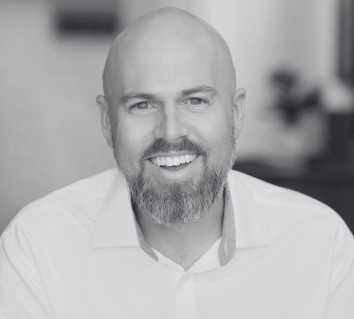
Dr. Jake Porter is a Licensed Professional Counselor, professor, and the visionary behind Couple-Centered Recovery®—a pioneering approach for couples healing from betrayal trauma. With expertise in developmental neurobiology, relational dynamics, performance psychology, and attachment theory, Dr. Porter has developed a unique framework to address the emotional complexities that arise after betrayal. As the CEO of Daring Ventures, a counseling and coaching organization, he empowers individuals and couples to rebuild trust, foster emotional resilience, and rediscover relational wholeness.
Dr. Porter holds an advanced understanding of integrating clinical science with spiritual formation, making his insights highly relevant for audiences seeking both psychological depth and spiritual perspective. A board member of the Association of Partners of Sex Addict Trauma Specialists (APSATS) and a sought-after speaker, he regularly addresses counselors, faith communities, and men’s groups on topics such as attachment, recovery, and healthy relationships. His work is steeped in research yet presented with an accessible, relatable tone. Dr. Porter delivers dynamic discussions around healing relational trauma, cultivating authentic empathy, and navigating the journey of personal and relational recovery. Dr. Porter’s approach provides actionable tools, relatable stories, and a refreshing perspective on restoring trust and connection.
Guiding Light Pioneers Track
SUBJECT: Peak Performance Relationships: Choosing Connection Under Pressure After Betrayal*
Betrayal ruptures the foundation of safety and trust, plunging individuals and couples into relational chaos. In these moments, the brain is not wired for connection—it’s wired for protection. Yet healing requires something radically different: training to connect under pressure.
In this dynamic and hope-filled session, Dr. Jake Porter will explore how insights from performance psychology—long used by elite athletes, military leaders, and high-stakes professionals—can be applied to the process of healing from betrayal trauma and addiction. Participants will discover how to cultivate emotional regulation, integrity under stress, and relational presence, even in the midst of grief, shame, or conflict.
Blending neuroscience, attachment theory, and values-based action, Dr. Porter will offer practical tools from the Integrity Driven Recovery™ framework and Couple–Centered Recovery® model. These methods empower individuals and couples to not only survive betrayal, but to rebuild a secure-functioning relationship marked by resilience, vulnerability, and purpose.
Whether you're a clinician, coach, ministry leader, or someone walking your own healing journey, this session will equip you with a vision—and a roadmap—for cultivating peak performance in connection when it matters most.
Troy & Melissa Haas
Melissa: IITAP--CSAT, CMAT, CCBRT, MAMFT
Troy: IITAP--CSAT, CMAT, PSAP-S, CADC-II
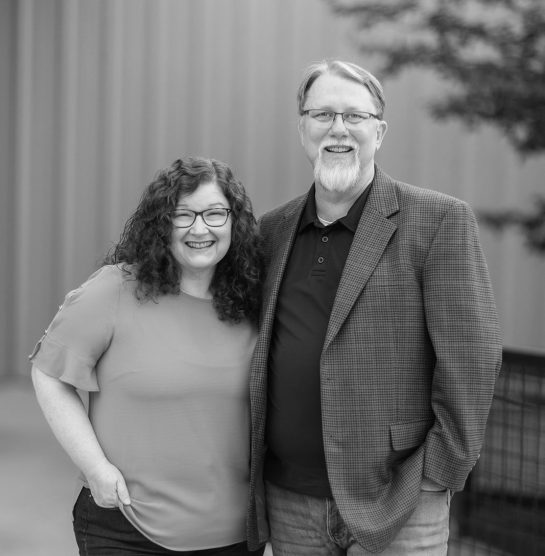
Troy is the co-founder and CEO of the HopeQuest Ministry Group and has over 30 years of ministry experience, including six years as an IMB missionary in Kenya and 15 years as Director of Restoration Ministries at First Baptist
Church of Woodstock. Troy’s personal struggle with addiction and own journey of recovery have enabled him to minister to others with authenticity and grace, providing hope that freedom is possible.
Melissa is the spouse-supporting therapist for the Trek Residential Treatment program at HopeQuest and loves providing marriage therapy to couples in recovery. Passionate about spiritual community, healthy marriages,
and intimacy with God, Melissa regularly facilitates small groups and teaches his and speaks on these topics in order to help the Body of Christ grow relationally with God and each other.
Melissa and Troy have been married for 35 years and recently began their 26th year in recovery. They have dedicated their lives to encouraging, enabling, and equipping the body of Christ to live out Galatians 6:1—Brothers, if someone is caught in a sin, you who are spiritual should restore him gently.
Restored Pathways Track
SUBJECT: I'm Sober but She Still Doesn't Trust Me. Help!*
Couples in recovery often get stuck in repairing their relationship after betrayal, even when the addict has established sobriety. Addicts often underestimate the role vulnerability and emotional connection plays in repairing trust. While sober, they may still be engaging in the same relational self-protective strategies that heighten distrust and remind the betrayed partner of familiar patterns that resemble the addict's behavior when he was in active addiction. In order to heal, couples must clarify what may be activating the crazy dance of disconnection in their marriage and utilize strategies for increasing the emotional connection that is necessary for trust to be restored.
MORDY GOTTLIEB
LCSW-S, CSAT
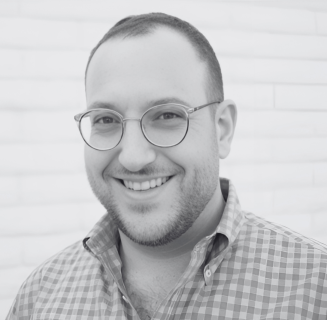
Mordy Gottlieb is a Licensed Clinical Social Worker Supervisor (LCSW-S) and an IITAP Certified Sex Addiction Therapist (CSAT) with a deep passion for fostering healing through community. Recognizing the modern epidemic of loneliness, Mordy is dedicated to helping individuals discover safe, meaningful connections and realize that a fulfilling life beyond addiction is not only possible but attainable.
Using creative modalities such as psychodrama, playback theater, improv, and experiential therapies, Mordy helps clients access parts of themselves they never thought imaginable. By cultivating an environment of spontaneity and safety, he guides individuals to break free from pain and suffering, enabling deeper healing work to address the wounds of the past that keep them stuck in the present. Mordy's innovative and compassionate approach transforms lives by empowering clients to embrace connection, creativity, and hope for the future.
Exploration Guides Track
SUBJECT: Treatment Isn’t Broken — Our Groups Are: Why Clients Don’t Get Better When Clinicians Aren’t Trained to Help Them*
Across PHP, IOP, and residential programs treating compulsive sexual behaviors, one issue consistently undermines progress: the most meaningful work happens in groups, yet most clinicians were never trained to run them. Programs update curricula, add modalities, and tighten protocols, but outcomes don’t improve because the core problem remains unchanged. Clients aren’t stuck — our groups are.
This keynote exposes the critical gap that CSBD programs rarely address: clinicians are placed in the most demanding room in the building without the skills to manage group dynamics, create emotional safety, navigate high-intensity disclosures, or facilitate real behavioral change. When clinicians are underprepared, clients disengage, shame-driven avoidance increases, and treatment loses momentum long before discharge.
Using experiential methods, psychodrama, sociometry, and practical facilitation tools, this session offers a clear path to closing the training gap in CSBD treatment settings. Attendees will learn how to structure groups that feel safe, connected, and grounded — groups where clients participate honestly, clinicians feel capable, and meaningful therapeutic movement becomes possible.
Treatment isn’t failing. Our approach to groups is. When we train clinicians to lead them well, outcomes in compulsive sexual behavior treatment shift quickly and dramatically.

Dr. Lisa Dawn Fox
ICF, CPC, CDVS, DPM, MPTM, MCPG, CDGS, WILD.
Dr. Lisa Dawn Fox, Coach Lisa, is a credentialed trauma informed coach specializing in Coercive Control and its relationship to betrayal trauma. As a retired surgeon, Lisa's mantra is "the eye sees what the mind knows". Coercive control is extraordinarily insidious. If you don't know what you're looking or haven't experienced Coercive Control, you won't see it. But once you see Coercive Control, you'll never unsee it. She believes we serve our clients on their healing journey best when we have eyes to see what isn't overtly apparent to others and may not be to themselves. Coercive Control is one of those areas that still isn't widely understood in professional arenas. The more we understand, the better we'll be at partnering with our clients in their healing journey. Lisa's driving passion is advocacy of victims of abuse, walking with them as they realize what they're experiencing isn't because of them, it's happening to them, and partnering with them as they reclaim their voice and discover restoration for their body, mind, and soul.
Exploration Guides Track
SUBJECT: Coercive Control
Coercive control is extraordinarily insidious. If you don't know at what you're looking or haven't experienced Coercive Control, you'll never see it. But once you see Coercive Control, you'll never unsee it. Partnering with our clients well on their healing journey requires we have eyes to see what isn't overtly apparent to others and may not be to themselves. Coercive Control is one of those areas that still isn't widely understood in professional arenas. Having a firm understanding of what Coercive Control looks like allows us to understand that what our clients are experiencing isn't because of them, it's happening to them. It provides us a more nuanced understanding in partnering with them as they reclaim their voice, and discover restoration for their body, mind, and soul.
MICHELE SAFFIER
LMFT, CSAT-S, CET, Author
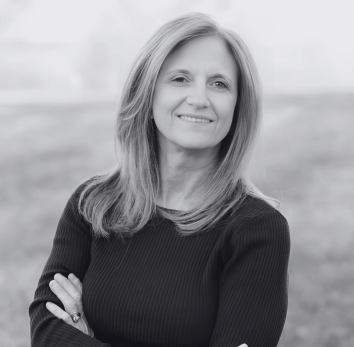
Michele Saffier is a licensed Marriage and Family Therapist with over 32 years of clinical experience, specializing in betrayal trauma and compulsive sexual behavior for more than 28 years. She is the Clinical Director and Founder of Michele Saffier & Associates, where she and her expert team provide specialized therapy for betrayed partners, individuals recovering from sexually compulsive behavior, couples, and families through individual sessions, groups, and her renowned Mending Hearts Couples Workshop Intensives. Michele is the author of Ambushed by Betrayal: The Survivor’s Guide for Betrayed Partners on Their Hero’s Journey to Healthy Intimacy (2022), a powerful resource guiding partners through the trauma of betrayal toward healing and renewed intimacy.
She has presented at leading organizations such as AASECT, IITAP, AAMFT, and S-ANON, and has been a guest expert on platforms including Sex, Love & Addiction with Dr. Rob, Carol the Coach, and Conversations on Sex, Addiction, and Relationships. Dedicated to bridging the gap between research and real-world healing, Michele has developed specialized curricula for betrayed partners, individuals in recovery, and couples, utilizing her Trust, Exoneration, and Reconciliation Couples Healing Model. She integrates experiential therapy, attachment-focused EMDR, Internal Family Systems, psychodrama, and the Gottman Method into her clinical work, helping clients move beyond betrayal toward deep, meaningful connection. Practicing in Blue Bell, Pennsylvania, Michele is deeply committed to helping individuals and couples reclaim their lives after betrayal. She lives with her husband of 34 years and is proud that both of her adult children have followed in her footsteps into the mental health field.
Restored Pathways Track
SUBJECT: Couples healing from betrayal trauma*
RISING TOGETHER: Building a New Relationship in the Wake of Infidelity
Infidelity doesn’t just break trust—it breaks the architecture of a relationship. Many couples want to rebuild, but they don’t know how. Therapists often feel the same: flooded sessions, looping conflict, and no clear map forward. This workshop changes that.
Join us for a powerful, practical training that introduces a three-phase model—Forgiveness, Integration, and Reconciliation—that helps couples move from crisis to clarity. Through the House of We metaphor, participants will learn how to safely dismantle the “old house” built on secrecy and lies, understand the deeper forces that contributed to the betrayal, and construct a new relationship house with integrity, safety, and emotional truth.
You will leave with concrete tools, guided scripts, case vignettes, and a clear roadmap for navigating even the most high-intensity moments. Whether you’re a clinician or a couple seeking direction, this workshop offers something rare: a structured, hopeful, evidence-informed pathway for transforming betrayal into the foundation of a new beginning.
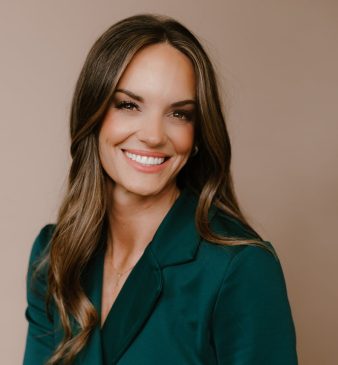
DR. Jessica Lamar
Psy.D, LMHC, LPC, CPTT, CCBRT-C
Jessica serves as the Co-Founder and Director of Business Development and Strategy at the Bellevue Trauma Recovery Center (BTRC). With a Doctorate in Clinical Psychology from the Arizona School of Professional Psychology, she brings a depth of knowledge and experience to her role. A Licensed Mental Health Therapist in Washington and Colorado, Jessica has devoted her career to helping individuals and families navigate the complex path of trauma recovery and significant life transitions in forensic, intensive, and outpatient settings.
Jessica’s clinical focus is rooted in supporting clients through the intricacies of life-altering changes, with particular expertise in Betrayal Trauma. She is deeply committed to honoring the grief process and believes that BTRC’s trauma-informed, intensive treatment model provides a vital space for meaningful and compassionate healing.
Jessica also leads webinars and frequently speaks on the intersection of Disenfranchised Grief and Betrayal Trauma. Her dedication to advancing understanding in this field is matched by her clinical expertise as a certified ETT therapist, Certified Partner Trauma Therapist (CPTT), and as a Certified Couple Betrayal Recovery Therapist Candidate (CCBRT-C). She employs an attachment-focused, interpersonal therapy approach to help clients achieve rapid trauma recovery.
Jessica is also extensively trained in addressing problematic sexual behaviors and sex addiction, bringing vital insight into the complex challenges and emotional impacts these issues can create. Her comprehensive expertise ensures she offers clients a truly supportive and effective recovery process.
As Director of Business Development and Strategy, Jessica plays a pivotal role in the growth and evolution of BTRC. She facilitates community partnerships, provides psychoeducation to other professionals, and applies innovative strategies to enhance client care and operational excellence. Additionally, as one of BTRC’s primary individual therapists for its intensive programs, she remains deeply engaged in guiding clients toward meaningful healing.
Exploration Guides Track
SUBJECT: Artificial Intimacy: Navigating Betrayal Trauma in the Age of AI Relationships*
The rise of AI companions, chatbots, and immersive relationships has introduced a new frontier in intimacy and betrayal, challenging traditional clinical frameworks. With approximately 40% of AI companion users in committed relationships and a growing number of individuals forming emotional and romantic bonds with AI, therapists are increasingly encountering new presentations of betrayal trauma. This session explores the complexities of AI-related intimacy and betrayal, offering clinicians tools to navigate emerging dynamics with empathy and expertise.
Participants will gain understanding of scope and dynamics of AI relationships, including the neuroscience of parasocial bonding and the motivations driving users toward AI companions. The session introduces the Artificial Intimacy Recovery Model, a trauma-informed framework integrating attachment theory, narrative therapy, and somatic approaches addressing the challenges of AI-related betrayal.
Two distinct pathways of betrayal trauma will be examined: trauma experienced by partners discovering a loved one’s AI relationship, and trauma experienced directly by individuals when an AI companion is lost or changes. Through clinical vignettes, participants will explore the shared dynamics of attachment rupture, identity confusion, and safety loss, as well as the ethical and professional considerations for therapists working in this space.
By the end of the session, participants will be equipped to assess and address AI-related betrayal trauma, validate the felt reality of these relationships, and reflect on their own biases and countertransference. This presentation invites clinicians to reframe their understanding of intimacy in the digital age and to embrace the evolving landscape of human-AI connections with cultural humility and clinical innovation.
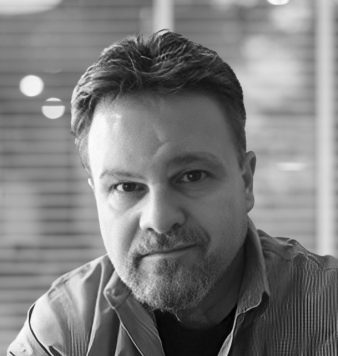
Dr. Eddie Capparucci
PhD, LPC, C-CSAS, CPCS, Author
Dr. Eddie Capparucci is a licensed professional counselor certified in treating Problematic Sexual Behaviors. He is the creator of the Inner Child Model™ for treating Addictive Behaviors, a unique approach that focuses on identifying unresolved childhood pain points and teaching individuals how to process emotional distress in healthy ways. His trauma treatment method has been endorsed by many leaders in this field.
He sits on the board of Christian Sex Addiction Specialists International (C-SASI), an organization committed to training and certifying clinicians, pastors, coaches, lay leaders, group facilitators and others to work with sex addicts, partners, and their families from a Christian perspective. He is the host of the podcast, Getting to the Other Side, which helps couples navigate the road of betrayal trauma and healing.
He is the author of six books, including Going Deeper: How the Inner Child Impacts Your Sexual Addiction and Why Men Struggle to Love: Overcoming Relational Blind Spots. His latest book is Going Deeper for Betrayed Partners: Discovering Healing Through Your Inner Child.
Guiding Light Pioneers Track
SUBJECT: A Blueprint for Change: Inner Child Work That Breaks the PSB Cycle*
Problematic sexual behaviors rarely begin in adulthood; they are rooted in early emotional injuries and unmet developmental needs. It is fair to say, the road to recovery goes through your childhood.
This presentation introduces a practical, emotionally attuned blueprint for change that uses Inner Child work - specifically my Inner Child Model for Treating Addictive Behaviors - to identify past wounds that drive compulsive patterns.
Participants will learn how attachment wounds, trauma, and emotional neglect shape the PSB cycle—and how powerful insights, emotional regulation, and compassionate self-connection disrupt it. Through clinical examples and step-by-step interventions, attendees will tools to help clients heal core vulnerabilities and build secure sustainable pathways toward integrity and emotional intimacy.
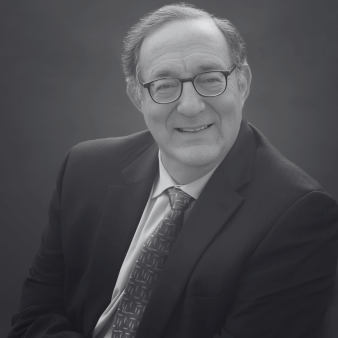
ALLAN KATZ
LPC-S, MHSP, CSAT, Author
Allan Katz is the founder of Rediscovery Counseling and Coaching in Memphis, a client-centered private mental health practice specializing in personalized care for individuals and couples facing challenges such as sex, love, and porn addiction, betrayal trauma, intimacy disorders, depression, and anxiety. With over 1,000 clients counseled, Allan combines his professional training and extensive experience with over 51 years of marriage to provide compassionate, non-judgmental support for those seeking healing and restored connection.
An accomplished author, Allan has written six books, including Help Her Heal (co-authored with Carol Sheets) for supporting betrayed partners, Ambushed by Betrayal (co-authored with Michele Saffier), and Navigating the Phases of Sex Addiction Recovery, which guides recovering addicts toward meaningful sobriety. He has also contributed resources for therapists, such as Experiential Group Therapy Interventions with DBT: A 30-Day Program for Treating Addictions and Trauma.
Allan integrates the eight stages of intimacy model, DBT skills, and experiential therapy into his practice, fostering respect, acceptance, and growth. His approach offers individualized, group, and intensive formats tailored to the unique needs of his clients, helping them rediscover purpose and build healthier lives. Allan’s expertise, dedication, and passion for guiding others through the complexities of addiction, trauma, and relationships make him a trusted resource and a sought-after speaker in his field.
Courageous Explorers Track
SUBJECT: I'M SOBER; NOW WHAT?: NAVIGATING VALUES, INTEGRITY, AND PURPOSE FOR LONG TERM SEX ADDICTION SOBRIETY*
This presentation is a game-changer when it comes to sex addiction recovery. Allan Katz guides you through a self-reflexive process to uncover the root of the problem and gain insight into what truly matters in life. Sobriety is not easy, but knowing that there's meaning and a life worth living on the sober side helps you discover what it's like to live emotionally sober, enjoying happiness and peace of mind. When you attend this session, you will find tools for managing distractions, impulsivity, and indifference that could take you down a slippery slope toward relapse. You will discover the essential skills to find meaning and purpose in life through character development and emotional maturity, while improving your relationship with healthy intimacy.
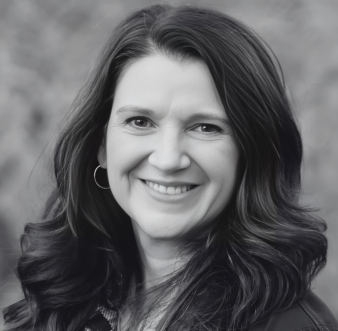
JEANNE VATTUONE
LCSW, CCPS-S, CSAT-S, CPTT-S, Author
Jeanne Vattuone is a Licensed Clinical Social Worker with over 25 years of experience working with those impacted by traumas and 15 years specializing in the treatment of sex addiction and partner betrayal trauma. As the co-founder of Willow Tree Counseling, an intensive outpatient clinical group, Jeanne has dedicated her career to helping individuals and couples heal from the impacts of sex addiction. She works with clients using her expertise as a Certified Sex Addiction Therapist (CSAT-S), Certified Clinical Partner Specialist (CCPS-S), and Certified Partner Trauma Therapist (CPTT-S), incorporating advanced modalities such as Brainspotting and EMDR into her therapeutic approach. In addition to her clinical work, Jeanne offers consultation and training for professionals seeking certification in these specializations. She serves as the President of the Board for the Association of Partners of Sex Addicts Trauma Specialists (APSATS), an international organization where she has been an active leader since 2014.
Jeanne is a sought-after speaker at both local and national levels and co-hosts the podcast Conversations on Sex, Addiction, and Relationships. She is also the co-author of the recently released book Finding the Way Through: A Workbook for Sex and Pornography Addiction – Sobriety, Recovery, & Partner Betrayal Sensitivity. An abridged version of the workbook, written specifically for betrayed partners, is set to release soon. Through her leadership, writing, and clinical practice, Jeanne remains deeply committed to supporting individuals, couples, and clinicians in navigating the path to recovery and healing.
Restored Pathways Track
SUBJECT: What Does Trauma Informed Mean?*
Ever heard the term "trauma-informed"? It's a term that is used in passing, but how many actually know the tenets and principles of it? Is it another buzzword, or does it have meaning? Clients will become educated ‘consumers’ of our profession’s services, and professionals will be challenged to truly do the hard work to be trauma-informed. “Trauma-Informed” is not a vague descriptor; it has direct, quantifiable, meaningful features.

Lexi Barruso
MEd, A-LPC/MHSP-Temp, CSAT-C
Lexi Barruso, LPC/MHSP (Temp), CSAT-C, is a primary therapist in the Men’s Residential Program at Integrative Life Center, where she provides care to clients admitted to the Intimacy Disorder Program. She provides individual and group therapy focused on compulsive sexual behavior, intimacy disorders, substance use, and trauma at the residential level of care.
She holds a Master of Education in Clinical Mental Health Counseling from Middle Tennessee State University and is a Certified Sex Addiction Therapist (CSAT) Candidate. Her work is grounded in attachment-based and psychodynamic approaches, informed by specialized training in trauma, betrayal trauma, interpersonal neurobiology, and attachment-based sexual compulsivity, with an emphasis on relational healing and sustained recovery.
Exploration Guides Track
SUBJECT: Therapist Gender as a Mechanism for Change: Utilizing Co-Transference to Facilitate Corrective Emotional Experiences in the Treatment of Compulsive Sexual Behaviors*
This presentation examines therapist gender as a mechanism for relational healing and transformation in the treatment of Compulsive Sexual Behavior Disorder (CSBD). Historically, gender has been regarded as a clinical barrier in this field, often avoided or minimized within the therapeutic process. This avoidance mirrors the same systemic and cultural factors that can contribute to the development of CSBD, including shame, secrecy, emotional disconnection, and rigid gender expectations that inhibit authentic intimacy.
This session explores how gender can be used as a deliberate therapeutic intervention through the conscious utilization of co-transference - the dynamic interplay of transference and countertransference. Common transference patterns among this population include maternal and paternal transference rooted in early attachment injuries, erotic transference arising from the confusion of nurturance and sexualization, and gendered projections shaped by shame, fear, and control. Engaging these patterns directly within the therapeutic relationship facilitates corrective emotional experiences allowing clients to experience women as nurturing and non-shaming, and men as emotionally safe and attuned.
These reparative experiences support relational healing not only for individuals but also for couples and partners impacted by CSBD, fostering greater authenticity, empathy, and vulnerability. By inviting this conversation, we aim to contribute to the progression of the field, encouraging clinicians to engage gender and co-transference as essential components of effective, trauma-informed treatment. Through clinical discussion and case examples, this presentation highlights how embracing these dynamics enhances relational repair and deepens recovery outcomes for clients navigating compulsive sexual behavior and intimacy disorders.
WILLIAM FECK
LPC-MHSP, NCC, CSAT, Doctoral Candidate
William Feck is a dedicated clinician, educator, and researcher with a passion for trauma-informed care and addiction recovery. As the Clinical Advisor at Integrative Life Center, he has been instrumental in shaping the center’s treatment philosophy and advancing its intimacy disorder program. William began his career as an elementary school counselor before transitioning to clinical practice. He is a faculty member in the professional counseling program at Middle Tennessee State University, where he supervises practicum students and teaches courses such as theories of counseling and addictions.
Currently pursuing a PhD in Clinical Counseling at Trevecca Nazarene University, his research focuses on the interplay between combat-related PTSD, attachment styles, and posttraumatic cognitions.
William is trained in Brainspotting Phase I and II, Gottman Level 1, and is a nationally certified counselor (NCC) and certified sex addiction therapist (CSAT). His expertise in trauma, addiction, and relational healing makes him a valuable voice in the field of mental health and recovery.

Exploration Guides Track
SUBJECT: Therapist Gender as a Mechanism for Change: Utilizing Co-Transference to Facilitate Corrective Emotional Experiences in the Treatment of Compulsive Sexual Behaviors*
This presentation examines therapist gender as a mechanism for relational healing and transformation in the treatment of Compulsive Sexual Behavior Disorder (CSBD). Historically, gender has been regarded as a clinical barrier in this field, often avoided or minimized within the therapeutic process. This avoidance mirrors the same systemic and cultural factors that can contribute to the development of CSBD, including shame, secrecy, emotional disconnection, and rigid gender expectations that inhibit authentic intimacy.
This session explores how gender can be used as a deliberate therapeutic intervention through the conscious utilization of co-transference - the dynamic interplay of transference and countertransference. Common transference patterns among this population include maternal and paternal transference rooted in early attachment injuries, erotic transference arising from the confusion of nurturance and sexualization, and gendered projections shaped by shame, fear, and control. Engaging these patterns directly within the therapeutic relationship facilitates corrective emotional experiences allowing clients to experience women as nurturing and non-shaming, and men as emotionally safe and attuned.
These reparative experiences support relational healing not only for individuals but also for couples and partners impacted by CSBD, fostering greater authenticity, empathy, and vulnerability. By inviting this conversation, we aim to contribute to the progression of the field, encouraging clinicians to engage gender and co-transference as essential components of effective, trauma-informed treatment. Through clinical discussion and case examples, this presentation highlights how embracing these dynamics enhances relational repair and deepens recovery outcomes for clients navigating compulsive sexual behavior and intimacy disorders.
Troy Snyder
MS, CCSAS, CPCS, LPC
Troy Snyder helps individuals and families affected by sex addiction find healing, hope, and restoration. With over 20 years of experience, he offers compassionate guidance and practical support to those struggling with sexual addiction and its impact on relationships and faith.
Troy understands the powerful role shame plays in addiction and works with clients to uncover underlying pain, rebuild trust, and move toward recovery. He believes lasting change happens through accountability, vulnerability, and a strong therapeutic relationship.
He primarily treats sex addiction and also offers limited counseling for anger issues and adolescents, depending on availability. When his schedule is full, Troy provides referrals to other qualified therapists.
Grounded in his faith, Troy views God’s Word as the foundation for wisdom and healing. He considers it a privilege to walk alongside clients as they move toward redemption and renewed relationships.
Exploration Guides Track / Faith-Based Session
SUBJECT: Faith, Formation, and Healing: Integrating Spiritual Meaning into the Therapeutic and Coaching Space*
This presentation equips counselors, coaches, and helpers to thoughtfully integrate faith into their work without abandoning clinical excellence or trauma-informed care. Rather than focusing on moral failure, this framework explores how spiritual beliefs, narratives, and practices shape identity, attachment, desire, and recovery. Participants will learn how faith can function as a resource for meaning, resilience, accountability, and hope within the helping relationship.
CARLEY POOL
MA, LPC, CSAT, MPTM, Doctoral Candidate
Carley Pool MA, LPC, CSAT- Director of Assessment and Evaluation at Daring Ventures, where she spearheads research
initiatives designed to enhance therapeutic practices. With a deep commitment to uncovering the underlying patterns of behavior, Carley aims to provide transformative change through innovative experiential practices. As a certified coherence therapist and a certified sex addiction counselor, with specialized training in Emotion-Focused Therapy (EFT) and Eye Movement Desensitization and Reprocessing (EMDR), she employs a multi-faceted approach to foster healing and growth. Rooted in a personal and familial connection with addiction recovery, Carley is passionate about her work and advocates for those navigating the complexities of addiction. Her expertise has led her to speak at various summits and podcasts, where she shares valuable insights on sex addiction and the struggles faced by adult children of sex addicts. Carley is dedicated to advancing the counseling field and empowering individuals to achieve lasting transformation in their lives.

Restored Pathways Track
SUBJECT: Rearranged Loyalties: Contemporary Research on Adult Reactions to Parental Infidelity*
This presentation will delve into the complex emotional and psychological experiences of adult children impacted by parental infidelity, focusing on the concept of "Rearranged Loyalties." It will analyze how such profound betrayal affects essential family relationships, trust, and individual identity. Key themes from current research will be discussed, including the sense of responsibility that adult children often feel in managing family dynamics, the strain infidelity places on relationships leading to broken trust and disillusionment, and the crucial role of forgiveness in the healing process, along with common coping mechanisms such as denial and shifting blame. It will also provide practical tools for parents of adult children to help in resolving conflict with adult children.
Debra Kaplan
MA, MBA, LPC, CSAT-S, CMAT, CPTT Trained
Debra L. Kaplan, MA, MBA, LPC, CSAT-S is an author, speaker and licensed therapist specializing in sexual addiction/compulsivity, money, work, and relationships. Ms. Kaplan is faculty member for the International Institute for Trauma and Addiction Professionals, a Certified Sex Addiction Therapist-Supervisor, and a ,Certified EMDR therapist.
Debra is the author of, “For Love and Money: Exploring Sexual & Financial Betrayal in Relationships,” “Battle of the Titans: Mastering the Forces of Sex, Money, and Power in Relationships, and her co-authored publication, “Coupleship Inc: From Financial Conflict to Financial Intimacy.” She is the founder of the groundbreaking workshops, trainings, and intensives, “For Love and Money” ® and a guest on podcasts and financial media outlets. You can learn more at: www.debrakaplancounseling.com.
Courageous Explorers Track
SUBJECT: Integrative Healing for Sexual and Financial Betrayal*
Compulsive sexual behavior and financial betrayal often travel similar paths. Clinical work traditionally separates these issues into distinct treatment pathways. However, compulsive sex, money disorders, and even gambling behaviors share common underlying beliefs and behaviors that distort reality and drive betrayal. Without concurrent treatment, financial chaos can undermine sexual addiction recovery, just as untreated compulsive sexual behavior can destabilize financial well-being.
Through case examples, neurobiological research, and integrative clinical interventions, attendees will examine these intersecting betrayals. The presentation will introduce practical therapeutic tools to help build sexual and financial sobriety and relational integrity toward sustainable long-term recovery.
By the end of this session, participants will be able to:
1. Identify how financial behaviors—overspending, hiding debt, secrecy, risk-taking, or financial infidelity—can both mask and fuel compulsive sexual behavior.
2. Describe key neurobiological and psychological reward mechanisms that drive co-occurring compulsive behaviors.
3. Explain key identifiers of financial infidelity.
Matthew & Joanna Raabsmith
Joanna Raabsmith* MDiv, LMFT, CCPS, CPTT
Matthew Raabsmith* MDiv, CPC, CCSAS, PCC
Matthew and Joanna Raabsmith are trained relationship specialists, speakers, and co-authors of the book Building True Intimacy: Creating a Connection that Stands the Test of Time. They have over 20 years of combined experience in counseling, coaching, and guiding couples toward healing and transformation. Their mission is to help couples navigate the complexities of relational challenges, particularly in the aftermath of sexual addiction and betrayal trauma.
Matthew is a Professional Certified Coach (PCC) through the ICF, a Certified Partner Coach (CPC) through APSATS, and a Restoration Coach with a background in pastoral leadership, while Joanna is a Licensed Marriage and Family Therapist (LMFT), EMDR practitioner, a Certified Clinical Partner Specialist (CCPS) through APSATS, & a Certified Partner Trauma Therapist (CPTT) through IITAP. Both hold Master of Divinity degrees and have served together on multiple church leadership teams. Currently, they co-lead their private practice, The Raabsmith Team, where they specialize in helping couples rebuild connection, trust, and intimacy.
Guiding Light Pioneers Track
SUBJECT: Successful Relational Restoration for Couples After Betrayal*
Couples seeking restoration for marriages that have been damaged by sexual addiction, infidelity, or betrayal want to know and follow the right path/timing for relational healing. Unfortunately, most clinical recovery efforts have remained overly individually focused and disconnected from the rebuilding work of the relationship. This presentation will introduce “The Intimacy Pyramid” model which clinicians can utilize as a guide for navigating couples seeking to restore healthy connection expressed as emotional, physical, and relational intimacy. This model utilizes the strategic components: Honesty, Safety, Trust, Vulnerability, and Intimacy. Each phase offers practical steps for support professionals to balance both individual work and relational restoration. “The Intimacy Pyramid” model is designed to be flexible enough to be introduced at various stages of rebuilding, while offering a specific structured order that provides a clear path for redeeming couple intimacy after betrayal. This approach appropriately values the trauma experience of the partner and locates the healing for both individuals within the relationship, facilitating a faster recovery time. Couples which understand early the full nature of the destruction, how to appropriately repair the damage, and what practices are essential to creating a thriving relationship produce the greatest outcomes of success. This presentation will include how each phase is properly addressed in a post-betrayal relationship and the appropriate tools within each phase. The benefits of this model are that it gives a clear path of hope for couples early in recovery and provides a simple framework for professionals walking with clients through the reconciliation process.

Dr. Connie Zollner
LMHC, SUDP, PsyD, LMHC, LPC, CSAT, CCPS-S, CPTT-S, CCPS, CMAT, CCBRT, CCES, EAMHP, CPC
Connie is a Co-Founder and Director of Operations at the Bellevue Trauma Recovery Center (BTRC). She earned her doctorate degree in Counseling Psychology from Northwest University and holds licenses in Colorado, Oregon (LPC) and Washington (LMHC). Her career spans roles in pediatric behavioral healthcare, intensive in-patient programs, university counseling centers, and private practice. Connie specializes in neuro-affirming care, advocating for under supported groups such as neurodiverse individuals within the autism community, women, late-life identified individuals, and BIPOC communities. Her unique specialities include betrayal trauma, navigating the complexities of neurodivergence, and compulsive or addictive behaviors including sex and technology based addictions.
Connie takes a holistic and affirming approach to treatment, always considering the unique needs of each individual. Her expertise includes guiding individuals through challenges such as infidelity, problematic pornography use, and compulsive behaviors, while also addressing sensory needs, social needs, regulation skills, and communication styles.
As a trauma-informed therapist, Connie understands the profound impact of trauma on the brain and body. She is a level four trained therapist in Emotional Transformation Therapy (ETT), which she uses to help clients rapidly integrate trauma, fostering resilience and aiding in recovery. Additionally, Connie is both an APSATS-certified clinical partner specialist (CCPS) and a Certified Sex Addiction Therapist (CSAT), which gives her the ability to support and hold balanced space for both sides of a partnership when navigating the impacts of betrayal trauma, problematic sexual behaviors, sex addiction, and out-of-control technology-based behaviors. She acknowledges the distressing and disruptive effects these behaviors can have on her clients and their families and works to bring clients clarity and understanding so they can make changes and decisions that fit best for their life. Her work aims to foster resilience, facilitate recovery, and deepen self-understanding.
Connie has also undergone rigorous training in comprehensive psychological assessments for a variety of diagnostic outcomes, including autism and ADHD. Her training has included integrating neuro-inclusive interventions and assessments into her sessions, autism evaluations, and assessment reports. By utilizing evidence-based practices, Connie is able to develop treatment plans and evaluations that are tailored to each client’s unique circumstances, fostering change and deepening self understanding.
In her role as Director of Operations at the BTRC, Connie is driven to create a nurturing environment that promotes health and healing for all. She is deeply committed to establishing dynamic organizational strategies and policies that meet the evolving needs of clients and clinicians. Her responsibilities encompass overseeing business procedures, coordinating daily operations, providing administrative supervision, and fostering an inclusive atmosphere. Beyond her administrative role, Connie is one of the primary therapists for the Resilience Through Betrayal intensive programs in Bellevue, WA.
Exploration Guides Track
SUBJECT: Artificial Intimacy: Navigating Betrayal Trauma in the Age of AI Relationships*
The rise of AI companions, chatbots, and immersive relationships has introduced a new frontier in intimacy and betrayal, challenging traditional clinical frameworks. With approximately 40% of AI companion users in committed relationships and a growing number of individuals forming emotional and romantic bonds with AI, therapists are increasingly encountering new presentations of betrayal trauma. This session explores the complexities of AI-related intimacy and betrayal, offering clinicians tools to navigate emerging dynamics with empathy and expertise.
Participants will gain understanding of scope and dynamics of AI relationships, including the neuroscience of parasocial bonding and the motivations driving users toward AI companions. The session introduces the Artificial Intimacy Recovery Model, a trauma-informed framework integrating attachment theory, narrative therapy, and somatic approaches addressing the challenges of AI-related betrayal.
Two distinct pathways of betrayal trauma will be examined: trauma experienced by partners discovering a loved one’s AI relationship, and trauma experienced directly by individuals when an AI companion is lost or changes. Through clinical vignettes, participants will explore the shared dynamics of attachment rupture, identity confusion, and safety loss, as well as the ethical and professional considerations for therapists working in this space.
By the end of the session, participants will be equipped to assess and address AI-related betrayal trauma, validate the felt reality of these relationships, and reflect on their own biases and countertransference. This presentation invites clinicians to reframe their understanding of intimacy in the digital age and to embrace the evolving landscape of human-AI connections with cultural humility and clinical innovation.
Jill & Alonso Pool
Jill Pool CPC, ADOH
Alonso Pool CPC
Jill and Alonso Pool are the co-owners and coaches at Hope in the Havoc, working with both individuals and couples in recovery. Their complementary approach allows them to serve clients on both sides of relational trauma with distinct, specialized expertise:
Jill specializes in supporting betrayed partners, offering unique professional expertise combined with deep personal insight to navigate the complexities of recovery.
Alonso focuses on coaching individuals struggling with problematic sexual behavior, helping them break cycles and find lasting freedom.
Restored Pathways Track
SUBJECT: Emotional Betrayal
Emotional betrayal—defined as displacement, neglect, or emotional affairs—represents a significant, often minimized, source of trauma for partners. Historically, limited resources have fostered ambiguity and enabled gaslighting, leading to profound confusion in the recovery process. This presentation is dedicated to establishing clear, shared language, a critical step toward validation and healing.
We will leverage data, including the iFidelity survey, which suggests strictly emotional affairs are as common as strictly physical ones, to firmly establish the gravity of this trauma. Recognizing that men and women frequently perceive and rate the pain of emotional betrayal differently, co-presenters Jill Pool and Alonso will provide critical, complementary insights, bridging this often-overlooked gender gap in understanding.
Our core offering is the "Emotional Betrayal DNA" model, which dissects betrayal into three actionable components: Emotional Displacement (misdirected priorities), Emotional Neglect (withholding support), and Emotional Affairs (misdirected intimacy) Defining these terms empowers professionals to better support clients and enables individuals (betrayed and betrayers) to articulate the trauma's impact, fostering clarity and empathy on the path to long-term recovery.
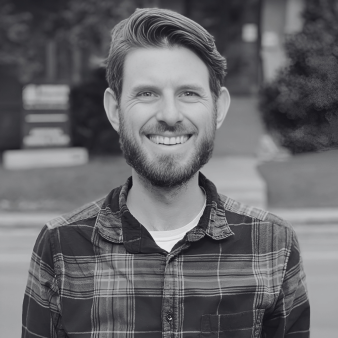
MATTHEW WENGER
MA, LPC, CSAT, CCPS
Matt Wenger is the Executive Clinical Director of Begin Again Institute, a 14-day Trauma-Based Intensive program dedicated to helping men recover from porn and sex addiction. As a key figure in the creation of Boulder Recovery, a Christian men’s intensive program, Matt has provided support to over 1,000 men since 2019. His clinical expertise lies in men’s addiction, trauma, couple’s recovery, and the spiritual aspects of healing. Matt began his clinical career working with traumatized children and young people, where he learned how complex issues can lead to mental distress and dysfunction within families. This early work sparked his connection to the TINSA® (Trauma-Induced Sexual Addiction) approach, which focuses on the intersection of childhood trauma and addiction. His passion for helping men navigate this painful intersection led him to work with individuals identifying as sex addicts at Begin Again Institute.
Matt holds a master’s degree in Couples and Family Counseling and integrates multiple therapeutic approaches into his work, including Emotion Focused Therapy, Attachment Theory, Motivational Interviewing, Guided Meditation, and Brainspotting. He is deeply committed to his clients’ healing, working tirelessly to support them in overcoming their trauma and addiction, believing that everyone deserves the opportunity to live a healthy, fulfilling life. When not working, Matt enjoys reading, art, hiking in the beautiful Colorado landscape, and spending quality time with his wife and son.
Resilient Travelers Track
SUBJECT: From Rage to Resilience: Restoring Anger to a Place of Honor*
Betrayal trauma often leaves partners navigating intense and conflicting emotions, particularly anger and rage - among many others. While these emotions are frequently stigmatized or pathologized, they serve an adaptive and protective role in the aftermath of betrayal. This presentation emphasizes validating the anger of betrayed partners while providing practical strategies to help regulate these intense emotional states, fostering safety, empowerment, and improved betrayal recovery outcomes.
Participants will explore the neurobiological, emotional, and relational dynamics of anger in the context of betrayal trauma and PTSD, gaining a trauma-informed framework for understanding why anger arises, and how it can be harnessed therapeutically. Attendees will learn how to support partners in regulating anger and integrating it constructively into their betrayal recovery journey in ways that are actually similar to the growing insight into all trauma treatment.
JAMES ANNEAR & SHARON RINEARSON
James - LMHC, CSAT-S, CCPS-S, CPTT, FQS
Sharon -LCSW, CCPS, CPTT, FQS
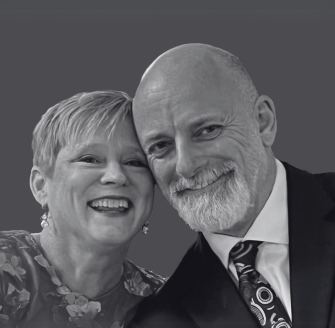
Sharon Rinearson and James Annear are married therapists, life coaches, and a couple in long-term successful recovery. With a combined 37 years of experience in mental health and addiction treatment, they specialize in helping couples heal from relational and sexual betrayals, as well as addressing the lasting effects of developmental trauma. Their unique approach integrates neurobiology, addiction science, trauma-informed interventions, and interpersonal therapies, creating custom intensives that foster deep, lasting transformation. Together, Sharon and James have spent the past 13 years designing and leading intensive therapy experiences for individuals and couples. Their programs incorporate extensive pre intensive testing and collaboration with referring therapists, ensuring that each intensive is tailored to the specific needs of their clients. They divide their practice between South Florida in the winter and the Smoky Mountains of Tennessee in the summer and fall, welcoming clients from around the world into safe, supportive environments designed for healing and growth.
As professionals deeply invested in the fields of Compulsive Sexual Behavior Disorder (CSBD) and Betrayal Trauma, they are dedicated to supporting both professionals and individuals on their recovery journeys. Having personally navigated sex addiction and betrayal trauma recovery for over 14 years, they bring a unique blend of clinical expertise and lived experience to their work. They have presented at SASH, the Daring Ventures Summit, C-SASI, and APSATS, and both are APSATS certified with years of service on the APSATS Board of Directors. Their passion lies in helping as many individuals and couples as possible find healing.
Resilient Travelers Track
SUBJECT: Helping Couples When the Unfaithful Partner has ADHD*
This presentation explores the unique challenges couples face when infidelity intersects with ADHD in the unfaithful partner. ADHD traits—such as impulsivity, inattentiveness, emotional dysregulation, hyperfocus, time blindness, shame reactivity, and rejection sensitivity—can intensify betrayal dynamics and complicate trauma recovery for the betrayed partner. The unfaithful partner’s recovery journey is also impacted because of how ADHD influences triggers and acting-out behaviors. The treatment also has to be specifically guided by attention to neurodivergence and, more specifically, depends strongly on which type of ADHD the unfaithful has. Additionally, the couples’ recovery path becomes more complex and has more unseen emotional pitfalls than couples who are not dealing with the added issue of a neurodivergent unfaithful partner . We will examine how ADHD neurobiology influences acting-out behavior, impacts relational safety, and shapes the betrayed partner’s lived experience. Practical, trauma-informed guidelines will be offered for both partners, emphasizing regulation, structure, communication clarity, and accountability. Participants will gain tools to help couples reduce reactivity, increase understanding, and rebuild trust in the context of neurodiversity.

Tabitha Westbrook
LMFT-S, LCMHC-QS, LPC-S, CSAT, CCTP, CCTCP
Tabitha Westbrook, LMFT-S, LCMHC-QS, LPC-S, is a licensed counselor supervisor, EMDR Certified Therapist & Approved Consultant, Certified Sex Addiction Therapist (CSAT), Certified Clinical Trauma Professional (CCTP), and Certified Christian Trauma Care Provider (CCTCP). She also is the Founder & CEO of The Journey and The Process, a counseling practice with offices in Texas and North Carolina. Tabitha and her team specialize in complex trauma with a focus on domestic abuse & coercive control. Tabitha is an internationally known expert and speaker on abuse, providing training to churches, therapists, and agencies. She also helps train domestic abuse advocates through Called to Peace Ministries’ faith-based advocacy training. Tabitha is the author of Body & Soul, Healed & Whole: An Invitational Guide to Healthy Sexuality After Abuse, available wherever you get books.
Courageous Explorers Track / Faith-Based Session
SUBJECT: From Shattered to Sacred: Healing Compulsive Sexual Behavior in Women*
Sexual trauma can shatter a woman’s sense of self, faith, and embodied sexuality, leaving her struggling with shame, disconnection, and confusion about what is healthy or holy. This presentation explores the impact of sexual harm through a trauma-informed lens, addressing how abuse, coercive control, and distorted theology fracture identity and shape arousal structures. Participants will learn how to help women disentangle sexual harm from their embodied and spiritual selves while fostering restoration that honors both body and spirit.
SARAH MORALES
CPC, CRC, APSATS CPC
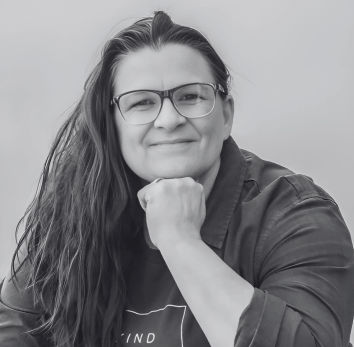
Sarah Morales is a Certified Professional Coach, Certified Relationship Coach, APSATS Certified Partner Coach, and the founder of Sarah Morales Coaching. She is also the creator of the Deconstructing Gaslighting® Academy, a groundbreaking educational and training platform that provides specialized programs for gaslighting victims, perpetrators in recovery, first responders, peer facilitators, and helping professionals. With over a decade of experience, Sarah is a leading expert on gaslighting, known for making this complex and nuanced topic understandable and actionable.
Her journey into this work began with personal experience—navigating betrayal trauma and discovering the profound impact of gaslighting in relationships. Through her work with APSATS, national conferences, and podcasts, Sarah has established herself as a thought leader in the field, dedicated to helping individuals reclaim their identity, autonomy, and self-trust. Sarah’s signature approach to gaslighting recovery is built on years of research, coaching, and hands-on experience. Her Deconstructing Gaslighting® offerings, including webinars, courses, and a podcast, empower individuals to identify, understand, and heal from gaslighting. Passionate about transformation, Sarah continues to develop cutting-edge programs that equip people to know, trust, and love themselves in ways they never thought possible.
Restored Pathways Track
SUBJECT: GASLIGHTING UNRAVELED - FROM CONFUSION AND SELF-DOUBT TO CLARITY AND EMPOWERMENT
Many people have given different thoughts, definitions, and approaches to addressing gaslighting over the past 80 years. All those differences add to confusion, fear, and disempowerment to those dealing with gaslighting in their relationships. When one has experienced prolonged/chronic gaslighting, it eats away at your ability to trust in yourself, and these ambiguous definitions of gaslighting have left people guessing as to when they are experiencing gaslighting. This not only opens the door for self-doubt, it swings that door wide-open. Enter the Deconstructing Gaslighting® methodology, which can be summed up in the phrase: “When you can see the patterns, you can break the patterns.” Sarah Morales will share the pattern-based definition of gaslighting, explain the components involved in a gaslighting experience, and explore how this knowledge fosters agency and restores self-trust. She will guide attendees through a common betrayal trauma gaslighting scenario, deconstructing it using a flowchart and sharing practical interventions to break the pattern. Participants will also gain insight into The Gaslighting Scale—a tool designed to reduce fear and de-stigmatize the gaslighter—while discussing the importance of intent vs. impact and the role of self-responsibility in boundary setting. By the end of this session, attendees will have a clear, structured approach to identifying gaslighting patterns, helping them move from confusion and self-doubt to clarity and empowerment on their healing journey.
MIKE VAUGHN
LCMHC, CSAT, CMAT, Author
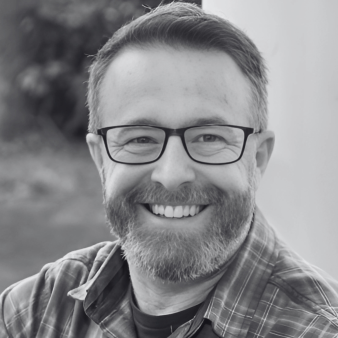
Mike Vaughn, Executive Director of Bethesda Workshops, is a seasoned therapist and business leader with over 20 years of experience specializing in sex addiction recovery, intensive therapy, marriage therapy, and trauma. As the co-founder of SureHope Counseling & Training Center, a large outpatient group practice in Charlotte, NC, Mike has dedicated his career to providing expert care and advancing the field of addiction and trauma therapy. His journey with Bethesda Workshops began in 2017 as a small group therapist, where his passion for healing and leadership led him into a key leadership role before stepping into his current position as Executive Director.
A sought-after national speaker, podcast co-host, and guest expert, Mike has made over 100 television appearances, sharing insights on addiction recovery, relational healing, and the power of intensive therapy. He is also the author of an ebook designed to equip therapists in providing effective intensive therapy. With a heart for guiding individuals and couples toward restoration, Mike continues to shape the conversation on healing, recovery, and personal transformation.
Exploration Guides Track
SUBJECT: The Power of Boredom in Sexual Compulsivity Recovery*
Neuroscience increasingly shows that boredom is not an empty state but a meaningful neurological event. When we experience boredom, the brain shifts into a mode that is essential for self-reflection, emotional regulation, creativity, and long-term decision-making. Yet in a world where distraction is available every second, we rarely stay bored long enough to benefit from this process. Instead, we escape the discomfort with stimulation, which reinforces compulsive loops in the brain’s reward system.
For individuals struggling with sexual compulsivity, boredom is a significant trigger for acting out, but it is also one of the most critical tools for recovery. Learning to tolerate and work with boredom interrupts impulsive patterns, rewires desire, and strengthens the capacity for choice. When embraced rather than avoided, boredom becomes a space where the brain relearns how to regulate, anticipate, and seek connection in healthier ways.
Emily Garcia
LCSW
JEmily Garcia, LCSW is the owner of Tribe Mind Body Wellness, a counseling practice that provides comprehensive support to individuals of all ages. Alongside leading her dedicated team, Emily is the co-host of the podcast "SoulStirred: Stories of Growth and The Human Experience," where she passionately explores the narratives that shape our identities. A dynamic keynote speaker, Emily leverages her expertise to empower others, facilitating changes for a better life. With a genuine commitment to helping others with their wellbeing, Emily weaves together counseling, podcasting, and public speaking to inspire positive growth and balance in the lives of others.

Courageous Explorers Track
SUBJECT: Closed Doors Open Futures: Embracing Life’s Unexpected Turns Through Mind, Body, and Wellness*
Life rarely unfolds the way we expect it to. Closed doors and painful disappointments can leave us questioning our worth and purpose. In this presentation, Emily Garcia invites participants to explore how these difficult moments can become powerful catalysts for personal growth. Through a mind, body, and wellness lens, attendees will learn how to build inner strength and reconnect with a sense of purpose on the other side of adversity.
This talk explores practical mindset strategies that help reframe setbacks as opportunities for growth. Participants will discover simple body-based practices that support emotional regulation and daily well-being. They will also learn accessible wellness tools that create clarity and confidence during challenging seasons.
Grounded in storytelling, science, and actionable guidance, this session equips individuals with tools they can begin using immediately. Attendees will leave with greater mental flexibility, practical steps for creating meaningful change, and a renewed belief that a closed door can often be the beginning of an unexpected and deeply fulfilling future.

JULIA ALPEROVICH
Doctoral Candidate, LMFT, CSAT, CMAT, CCPS
Julia Alperovich is a dynamic and sought-after therapist, speaker, and educator with nearly two decades of experience specializing in intimacy, sexuality, and addiction recovery. She is passionate about helping individuals and couples break free from patterns of dysfunction and reclaim authentic, fulfilling relationships. With a background in clinical psychology and marriage and family therapy, Julia brings a deep understanding of the neurophysiology of addiction, betrayal trauma, and the complexities of human connection. She is currently completing her doctorate in Clinical Sexology, with a focus on sexual addictions and healthy sexual practices. As an advocate for progressive and inclusive approaches to sexuality and healing, she offers a sex-positive perspective while integrating proven addiction and trauma treatment models.
Julia’s direct yet compassionate style is what sets her apart—she cuts through confusion with clarity, helping her clients gain powerful insights into their struggles while equipping them with practical tools for transformation. Her approach is both structured and deeply personal, balancing firm guidance with genuine warmth and empathy. Beyond her clinical work, Julia is a published author, podcast host, and nationally recognized speaker. She actively contributes to research and professional organizations, staying on the cutting edge of treatment innovations. A dedicated ally of the LGBTQ+ community and an advocate for diverse expressions of intimacy and connection, she creates a safe space for honest conversations about sex, relationships, and healing.
Courageous Explorers Track
SUBJECT: Sex Positivity in Sexual Addiction Recovery*
The goal of recovery from sexual addictions is not complete abstinence; the goal is to alter one's relationship with sexuality into a healthier one. With this in mind, clinicians must be able to maintain a sex positive approach to the treatment of sexual addictions. This presentation will focus on common ways in which clinicians may inadvertently shame their clients as well as how to correctly approach sexuality with clients. Julia will also share some of her expertise on the use of certain sex therapy interventions with clients in recovery. You will also learn how to identify internalized shame, address sexual dysfunctions in session and navigate the topic of sex and sexuality in a more competent manner.
Michelle Holleman
MS, LCAS, CSAT, CPTT, CMAT, CST, PhD-C, Founder of Life Healing Counseling
Michelle Holleman is the Founder and Clinical Director of Life Healing Counseling in Charlotte, NC, specializing in sex and porn addiction, chemsex, gaming and tech overuse, betrayal trauma, and complex family systems. A nationally recognized speaker, Michelle is known for her engaging, warm, and dynamic teaching style.
She serves as Chair and Instructor of the Kink Awareness specialization at the International Institute of Clinical Sexology, where she is also completing her PhD in clinical sexology. Her work blends EMDR, experiential therapy, and attachment-focused models to treat trauma and support sexual wellness, with a research focus on how clinicians can confidently navigate conversations about sex, porn, digital culture, and kink.
Outside her clinical work, Michelle is a master scuba diver, ocean conservation advocate, and certified lion fish hunter.
Exploration Guides Track
SUBJECT: THE INTERSECTION OF KINK, CSBD, CHEMSEX, AND SEXUAL DYSFUNCTION: CLINICAL ASSESSMENT, AROUSAL TEMPLATES, AND ETHICAL TREATMENT*
Clinicians increasingly encounter clients whose sexual behaviors exist at the intersection of kink, compulsive sexual behavior disorder (CSBD), chemsex, and sexual dysfunction—yet most formal training offers limited guidance for differentiating healthy erotic diversity from pathology. This workshop provides a clear, sex-positive, clinically grounded framework for understanding how arousal templates develop and how kinks, fetishes, and high-intensity behaviors become integrated, reinforced, or misinterpreted in CSBD or chemsex presentations.
Participants will learn to distinguish fixed versus non-fixed kinks, explore how early experiences, conditioning, neurobiology, and attachment shape erotic imprinting, and understand how these patterns may be expressed in both consensual kink and in compulsive, avoidance-based, or trauma-linked behavior. The training will also clarify key differences between kink, paraphilias, paraphilic disorders, sex addiction/CSBD, and sexual dysfunction—reducing misdiagnosis driven by stigma or clinician bias.
Using case examples and discussion, attendees will examine the clinical, ethical, and relational complexities that arise when kink intersects with dysregulation, secrecy, chemsex, or betrayal trauma. Clinicians will learn practical strategies for conducting non-pathologizing assessments, exploring arousal templates, addressing high-risk behaviors without shaming, and supporting consent, safety, and emotional regulation in treatment.
This presentation equips professionals with an integrated framework and actionable tools to navigate these nuanced clinical territories with competence, trauma-informed care, and cultural humility.
MICHAEL CARY
Pastoral Christian Sex Addiction Specialist C-SASI, CPSAS
As the founder and CEO of Living Truth, Inc., and a Certified Recovery Coach, Certified Christian Life Coach, and Certified Pastoral Sex Addiction Specialist, Michael has guided thousands of men through Christ-centered recovery and discipleship programs, including Men in the Battle®.
His work integrates emotional awareness, spiritual formation, and IFS-informed principles to promote deep, lasting transformation. Known for his authentic and relatable teaching style, Michael connects powerfully with clinicians, coaches, and pastoral leaders alike. He is currently completing his Master of Divinity (MDiv) and expects to have it finished by the time of this presentation.
Exploration Guides Track / Faith-Based Session
SUBJECT: FROM INNER CONFLICT TO HEALING AND BREAKTHROUGH
We’ve all experienced the inner struggle—one part of us longs for change while another part resists. One part feels confident while another is critical. As we gain a deeper understanding of these inner parts and voices, deep healing and lasting change become possible. In this session, Michael explores the biblical foundations of the Internal Family Systems (IFS) model and how learning to understand our inner world can open the door to remarkable breakthrough.
SHEILA MAITLAND
LCMHCS, CSAT, LCMHCA, LCSW, CPTT
Sheila Maitland, LCMHCS, is a seasoned clinician, group practice owner, and executive coach with over 30 years of experience working with individuals, couples, families, and professionals. She is the founder and owner of the Relationship Enrichment Center & Relationship Enrichment Coaching and Consulting (REC & RECC) in Matthews, NC—a thriving group therapy and coaching practice rooted in family systems theory and experiential therapy. Her practice is known for its authentic, “practice-what-you-preach” approach, where clinicians guide clients through healing work they’ve done themselves.
Sheila’s expertise extends beyond clinical care into executive coaching and professional consulting. Through Relationship Enrichment Center and Relationship Enrichment Coaching and Consulting, she leads immersive training programs, leadership retreats, and trauma-informed workshops for individuals, couples, and professional teams. Her executive coaching approach draws from recovery principles—emphasizing emotional regulation, resilience, and relational awareness—and reframes leadership as a deeply human, growth-oriented process.
Sheila specializes in training and supervising therapists in the United States and across North Carolina. Since earning her Clinical Supervisor credential in 2013, she has mentored hundreds of provisionally licensed and fully licensed clinicians through individual and group supervision. She also provides advanced training in trauma treatment for both emerging and seasoned healers.
Certified as a Sex Addiction Therapist (CSAT), and Certified Partner Trauma Therapist (CPTT), Sheila offers highly specialized care for individuals, couples, and families impacted by problem sexual behavior, as well as behavioral and substance use disorders. Her work is informed by years of collaboration with national organizations such as Onsite Workshops, where she has served as a consulting therapist, supervisor, and trainer throughout her career.
Whether guiding leaders, clinicians, or clients, Sheila helps people step into their fullest potential with integrity, emotional intelligence, and relational strength. She lives in Matthews, NC, and enjoys a rich marriage and family life with her husband, son, and grand dog, Oscar.
Resilient Travelers Track
SUBJECT: FIX HIM!!*
Healing betrayed partners through experiential therapy begins with reconnecting to the wounded inner child, providing a compassionate gateway to understanding deep emotional ruptures. By engaging both somatic techniques and relational practices, clinicians foster safety in the body and cultivate trusting connections with others—key to repairing attachment disruptions and rebuilding self-trust. This presentation integrates nervous system regulation, interpersonal connection, and experiential frameworks to guide betrayed partners and their clinicians through a transformative healing journey. Participants will leave equipped to facilitate inner child connection, somatic safety, and relational resonance within their therapeutic work with compulsive sexual behavior disorder.
Restored Pathways Track
SUBJECT: Pickleball, not Porn!
Pickleball, not Porn for Couples! is a 90-minute experiential session for couples, coaches, healers, clinicians, & recovering individuals seeking a deeper understanding of how partnerships heal in the wake of Compulsive Sexual Behavior Disorder (CSBD) & betrayal. Rebuilding intimacy requires sustained effort, emotional courage, and vulnerability. This session uses movement, metaphor, and embodied enactments to help couples shift from secrecy, avoidance, and disconnection toward emotional safety, & relational repair. Much like learning a new game, healing after betrayal involves patience, practice, and repeatedly choosing to turn toward one another and toward personal recovery work.
Couples affected by CSBD often become stuck in cycles of mistrust, hypervigilance, shame, and reactive distancing. One partner may carry betrayal trauma, while the other carries shame or compulsive patterns that are not yet understood. This session emphasizes the importance of two parallel journeys—individual healing and coupleship restoration—and demonstrates how these pathways support each other. Through the “Pickleball, not Porn!” paradigm, participants explore how teamwork, attunement, and shared intention can strengthen resilience and connection.
Recovery is not linear, nor is it centered solely on the identified partner’s behavior. Both individuals must cultivate emotional regulation, boundaries, accountability, and new relational skills. Experiential enactments illustrate that repair occurs through consistent, trustworthy actions rather than perfection. The session highlights how couples can build emotional safety, improve communication, and develop co-regulation capacities essential for long-term healing. This work is directly relevant to professionals and laypeople seeking practical, embodied frameworks for supporting couples moving from trauma and dysregulation toward reconnection, trust, and relational growth.
KIM HANSEN PETRONI
MA, BCC, CPC-S, CES, Founder of Coachinghope4U.com
Kim Hansen Petroni is the author of Not a Casserole Widow®: Navigating Betrayal, Trauma, and Divorce with Strength and Strategy and founder of Not a Casserole Widow®, a nonprofit organization dedicated to supporting individuals recovering from betrayal trauma and divorce.
A Relational Recovery and Divorce Coach, Kim holds a Master’s in Counseling and is a Board-Certified Coach, APSATS and ERCEM Supervisor, and Certified Divorce and High-Conflict Divorce Coach. Her work is grounded in trauma-informed care, faith, and the belief that healing begins when women rediscover their voice and agency.
Kim’s mission was born out of personal experience having endured multiple divorces marked by intimate betrayal. Walking out of her own two-day divorce trial, she made a promise that no woman should have to navigate that journey alone. Today, she fulfills that promise through her coaching programs, community education, and workshops that empower betrayed partners to rebuild emotional resilience, prepare for mediation, and move forward with clarity and courage.
Through her nonprofit, online courses, and speaking engagements, Kim continues to create spaces of hope, healing, and empowerment—helping women transform pain into purpose and find strength on the path ahead.
Resilient Travelers Track
SUBJECT: Impact of Intimate Betrayal on Divorce*
Reframing Widowhood: A Trauma-Informed Approach to Divorce After Betrayal explores the emotional, psychological, and practical challenges faced by individuals navigating divorce after intimate betrayal. Through the metaphor of “Not a Casserole Widow®,” the presentation compares the invisible grief of betrayed partners to the communal empathy extended to traditional widows, highlighting the need for greater societal understanding and support. Using the G.R.I.T. framework, Gear, Ruckus, Integrity, and Truth, it provides tangible strategies for grounding, rebuilding self-trust, and moving forward with dignity. Rooted in trauma-informed practice and relational recovery principles, the presentation invites participants to reframe devastation as the beginning of renewal, reminding them that healing and hope are possible, even after profound loss.
Rev. Daniel Gowan
MDiv, MA, LPC-S, LCDC, CSAT
Rev. Daniel Gowan began his counseling career in ministry and draws from that foundation to thoughtfully integrate spiritual principles into the therapeutic process. He helps clients gain a deeper understanding of themselves, their partners, and the significant relationships in their lives. Rev. Gowan provides private counseling to individuals, couples, families, and groups.
He holds a Master of Arts in Counseling from Amberton University and a Master of Divinity from Perkins School of Theology at Southern Methodist University. Rev. Gowan is credentialed as a Licensed Chemical Dependency Counselor (LCDC) and a Licensed Professional Counselor Supervisor (LPC-S), both licensed by the State of Texas. He is also a Certified Sex Addiction Therapist (CSAT-C) and is trained in Eye Movement Desensitization and Reprocessing (EMDR).
In 2018, Rev. Gowan partnered with Dr. Dina Hijazi, PhD, to co-found D2 Counseling in Dallas. Together with their team, they provide counseling services to individuals, couples, families, and groups. In addition, they consult with businesses, churches, and organizations on conflict management, relational policies, and fostering emotional development within teams and leadership structures.
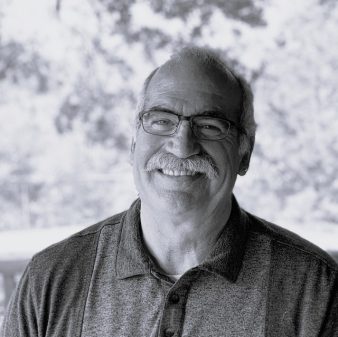
Exploration Guides Track
SUBJECT: When Sorry Isn't Enough: Mending Relationships Through Deep Relationship Repair
"I'm sorry, I'll do better" works for forgetting to pick up milk or burning the toast—not betrayal. This presentation teaches a practical three-step amends process that moves beyond shallow apologies to authentic relationship repair. Participants will learn the offender's path through Accountability, Empathy Building, and Compassion, along with the parallel healthy response process for the offended partner.
We'll explore the three avenues of relationship rupture (resentment, shame, and hurt/pain) and challenge the common recovery advice that "you make amends to clean up your side of the street—it doesn't matter how they receive it." This well-intentioned guidance often leads people to skip the empathy step entirely, guaranteeing superficial mending at best.
When done correctly, the amends process works like two-part epoxy—it requires both parties working together, and the repaired bond becomes stronger than the original.

Michelle Gallimore
MS, MTS, LCMHCS, CPTT, CSAT, CTTP, Founder at the Well Counseling
Michelle Gallimore is a Licensed Clinical Mental Health Counselor Supervisor. She has had opportunities to speak and lead workshops at Churches, schools, conferences, and businesses. Michelle’s presentations cover topics such as wellness, life/work balance, brain health, trauma (including betrayal trauma) and how to manage life’s unexpected
challenges. Michelle draws from her own experiences and training to help her audience learn and grow. Michelle helps clients who are dealing with anxiety, trauma, relationship toxicity, grief/loss, stress, and life
transitions. Michelle enjoys helping clients heal well and move forward. Coming from a holistic approach, Michelle also encourages her clients to embrace their brain and find healthy ways to take care of it.
Michelle holds a Master’s in Clinical Counseling from NCA&T University and a Master’s in Theological Studies. Michelle is a Certified Brain Health Coach/Trainer (from the Amen Clinic), Certified Partner Trauma Therapis, Certified Sex Addiction Therapist, Certified Trauma Trained Professional, and is trained in EMDR. Michelle has been the recipient of the Professor of the Year Award, training aspiring “helpers”. She has also been featured on podcasts that includes the following topics- "How to Talk and Help Your Child After a Mass Shooting" and “Surviving Divorce, Breakups, and Trusting Your Gut”. When Michelle is not working with clients, she is outside- walking, gardening, spending time with her golden retrievers, or catching up with friends and family.
Resilient Travelers Track / Faith-Based Session
SUBJECT: WALKING THROUGH THE STAGES OF BETRAYAL THAT LEAD TO HEALING*
In Dan Allender’s Book A Healing Path (1999), betrayal is defined as “the breaking of an implied or stated commitment of care” and is “harming the dignity of the other”. Recently the news has been flooded with stories of romantic betrayal, institutional betrayal, and abuse. The experienced betrayal is usually from someone the individual trusted- a romantic partner, family member, friend, and/or trusted adult. When the client walks into your office, they are unaware that they are experiencing posttraumatic stress, all they know is the betrayal is affecting their well-being. Through a trauma focused lens, Michelle helps individuals understand the stages of betrayal, and how to work through them.
By the end of the workshop participants will :
1- Identify the “Stages of Betrayal”
2- Understand and Utilize the Window of Tolerance and Polyvagal Theory for emotional regulation
3- Identify and grieve the losses that occurred due to the betrayal
4- Move towards post-traumatic growth- establishing boundaries, challenging a false narrative, and possibly implementing the “Tree of Life” exercise
Bill and Eileen Fagan
MA, CSAT, CPTT, EMDR, Pure Desires Ministries
Bill and Eileen are Licensed Professional Counselors in the states of Oregon and Tennessee. They are both Gottman trained, Certified Sex Addiction Therapists (CSAT), trauma professionals, and have been a part of the Pure Desire Clinical team for the past 7 years, and have worked with couples in private practice since 2012.
They specialize in trauma, trauma recovery, and marriage enhancement. They are passionate about helping couples redeem what the enemy has stolen and help them to walk in healing and redemption.
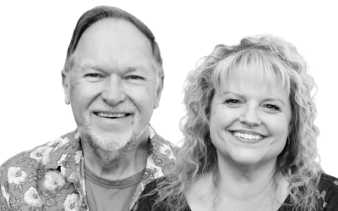
Restored Pathways Track / Faith-Based Session
SUBJECT: PUTTING THINGS IN ORDER: A METHODOLOGY FOR HEALING*
Oftentimes, couples struggle to heal because of underlying issues that have not been addressed. This usually begins in childhood in the form of wounding and how we learned to cope with those wounds. These wounds inevitably manifest in our other close relationships, particularly in marriage. We all come into marriage "pre-broken," and struggle to understand not only our spouses, but ourselves.
In our presentation, we will discuss the "Order of Operations" for healing individually and as a couple, and why addressing issues in the proper order will improve relational connection. We will address healing the whole self: physically, emotionally, and spiritually.
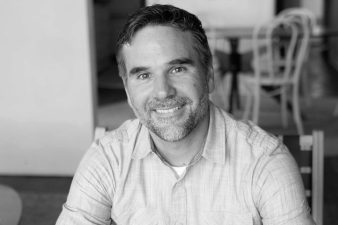
DAN Drake
MS, MA, LMFT, LPCC, CSAT, CCPS-S, FOUNDER OF BANYAN THERAPY
Dan Drake is a licensed clinician, and he is the Founder and Clinical Director of Banyan Therapy Group in Los Angeles, California. He is a Certified Sex Addiction Therapist Supervisor, a Certified Clinical Partner Specialist Supervisor, and a Certified Clinical Disclosure Guide Mentor. He is co-author of several books, including Building True Intimacy: Creating a Connection that Stands the Test of Time, 5 books in the Full Disclosure Series, Letters from a Sex Addict: My Life Exposed, Surviving the Holidays, Healthy Boundaries, and Rebuilding Your Foundation. Dan is a husband and a father to two amazing kids and two fur babies.
In his passion to help sex addicts, their partners, and families restore relational, mental, emotional, physical, and spiritual wholeness to their lives, Dan strives to provide a safe environment where his clients can grow and heal. www.banyantherapy.com.
Exploration Guides Track
SUBJECT: FULL DISCLOSURE: HOW DISCLOSURES OF EMOTIONAL CONNECTION / AFFAIRS LOOK DIFFERENTLY THAN OTHER DISCLOSURES*
Full Disclosures remain best practice to restore a foundation of truth in relationships after betrayal. Yet one size doesn’t fit all in how we facilitate the Full Disclosure process. Especially when the betrayal involves emotional connection and/or affairs, the disclosure preparation and delivery differs from that of other disclosures. Typically with disclosures that involve emotional connections require a higher level of detail and support.
So how do we help prepare betrayed partners and betrayers well for disclosures that involve emotional connections?
This presentation will focus on preparation for and delivery of Full Disclosures when the betrayer’s behaviors involved affairs and/or emotional connection. We will explore what is unique about these types of disclosures, as well as how to prepare partners and betrayers well. We will provide samples to enhance practical application.
DR. STEPHANIE EMDE
PsyD., CSAT
Dr. Stephanie Emde, PsyD, is an accomplished clinical leader specializing in addiction treatment, with a primary emphasis on sex addiction. She currently serves as the Chief Growth Officer at Valiant Living, where she previously held the role of Executive Director of Clinical Services and played a key role in shaping the organization’s current clinical curriculum. Dr. Emde’s extensive background includes serving as Clinical Director at Gentle Path at The Meadows for three years, Assistant Clinical Director at Whiteside Manor in California, and Clinical Supervisor for American Addiction Centers. She began her career in San Diego working in crisis centers and at the Richard J. Donovan Correctional Facility, gaining early experience with complex trauma and high-acuity populations.
Highly trained in evidence-based and trauma-informed modalities, Dr. Emde has completed advanced training in Cognitive Behavioral Therapy (CBT) through the Beck Institute, Eye Movement Desensitization and Reprocessing (EMDR) through EMDRIA, Certified Sex Addiction Therapy (CSAT) training through IITAP, and Post-Induction Therapy (PIT) through The Meadows. She is also recognized for her expertise in curriculum development within the fields of addiction and trauma. Dr. Emde holds a Doctorate in Clinical Forensic Psychology (PsyD) and is a committed advocate for innovative, research-driven, and compassionate approaches to addiction and mental health treatment.

Exploration Guides Track
SUBJECT: THREE PERSPECTIVES IN THE ROOM: UNDERSTANDING THE FAMILY, CLIENT, AND THERAPIST EXPERIENCE IN TREATMENT*
Learning Objectives:
1. Identify key experiential differences between clients, families, and therapists in treatment.
2. Explain how triangulation develops in structured care environments.
3. Recognize how trauma and attachment histories shape family and client reactions.
4. Differentiate clinical neutrality from perceived alliance with one party.
5. Apply strategies to prevent and repair systemic misalignment.
6. Facilitate family sessions that balance empathy, accountability, and structure.
Course Description:
In treatment settings, therapy rarely involves just two perspectives. Instead, three distinct experiences operate simultaneously:
• The Client’s lived and emotional experience
• The Family’s fear, frustration, and hope
• The Therapist’s clinical and systemic responsibility
While all parties aim for healing, each experiences treatment differently. Misalignment between these perspectives can lead to conflict, triangulation, shame activation, resistance, or premature discharge.
This training examines the relational and systemic dynamics between families, clients, and clinicians. Participants will learn to reduce triangulation, manage power dynamics, clarify roles, and improve alliance across all three perspectives.
The course integrates principles from:
• Family Systems Theory
• Attachment Theory
• Trauma-Informed Care
• Motivational Interviewing
• Systems Theory
Exploration Guides Track
SUBJECT: LOVE, LIMITS, AND LASTING CHANGE*
Learning Objectives:
1. Define Loving Leverage and distinguish it from coercion or punitive control.
2. Explain the neurobiological and behavioral principles underlying leverage and motivation.
3. Identify loving leverage in different situations and how they differ from one another and how they might be similar.
4. Identify ethical boundaries when using leverage in clinical practice including preventing additional trauma to the loving leverage.
5. Apply Loving Leverage techniques in addiction, family, and resistant-client cases.
6. Develop structured leverage plans aligned with treatment goals.
7. Evaluate when leverage is contraindicated or clinically inappropriate.
Course Description:
This training provides clinicians with a structured framework for using Loving Leverage—a compassionate, ethical, and clinically sound method of using boundaries, natural consequences, and relational accountability to promote client motivation and behavioral change. Participants will learn how to apply loving leverage without coercion, manipulation, or boundary violations, particularly in work involving addiction, resistant clients, family systems, and high-risk populations.
The course integrates principles from:
• Motivational Interviewing
• Cognitive Behavioral Therapy
• Family Systems Theory
• Attachment Theory
• Family-Centered Trauma Interventions
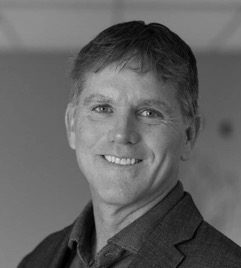
MICHAEL DINNEEN
LCSW, CSAT-S, CO-FOUNDER OF VALIANT LIVING
Michael Dinneen LCSW, CSAT-S, is a seasoned behavioral health leader, therapist, and entrepreneur with over 30 years of clinical and executive experience in the fields of addiction, trauma, and mental health treatment. He is the Founder and CEO of Valiant Living, an innovative treatment program integrating psychiatry, experiential therapies, family systems, and trauma-informed modalities. Michael holds a Master of Social Work from the University of Denver and a B.A. in Education from Boston College.
Throughout his career, he has served in key leadership roles at CeDAR at the University of Colorado Hospital, where he helped design and implement nationally recognized clinical programs. He is a Licensed Clinical Social Worker, Certified Sex Addiction Therapist and Supervisor (CSAT-S), Certified Multiple Addiction Therapist, and experienced in IFS, DBT, and family systems work. Michael is also the author of The Gift of Fulfillment: Practicing the Principles of Healthy Recovery.
Exploration Guides Track
SUBJECT: LOVE, LIMITS, AND LASTING CHANGE*
SPEAKING WITH DR STEPHANIE EMDE
DREW & JAMIE POWELL
PSAT, CEC
Drew Powell, is a marketing strategist, storyteller, Certified Enneagram Coach (CEC), PSAT – Candidate, and recovery advocate based in Nashville, TN. He serves as National Director of Marketing & Alumni for Valiant Living, where he helps lead brand strategy, partnerships, and communication for complex behavioral health programs. Drew brings over two decades of experience in leadership, ministry, and business, paired with a deep personal understanding of addiction, recovery, and healing. After spending 20 years in church and nonprofit leadership, Drew’s own recovery journey through treatment reshaped how he approaches work, purpose, and people. Today, he is passionate about building systems, stories, and communities focused on bringing families back together. He also hosts the Valiant Living Podcast, where he shares honest conversations around recovery, leadership, and hope. Drew has been married to his wife, Jamie, for almost 25 years, and together they have four children and one Rottweiler.
Jamie Powell is a wife, mother of four, and advocate for betrayed partners navigating the complex realities of addiction and relational trauma. For nearly 25 years, she has been married to Drew Powell, walking through the full arc of marriage that has included ministry life, entrepreneurship, addiction, betrayal, recovery, and restoration. As a stay-at-home mother for over two decades and the wife of both a pastor and business owner, Jamie understands the unique pressures placed on families who appear strong on the outside while privately struggling. Her lived experience as the partner of someone in addiction, and as a betrayed spouse, gives her a grounded and deep human perspective on the emotional, relational, and spiritual impact of addiction on families. Jamie was the first to draw a firm boundary in her marriage, requiring accountability and treatment. That courageous step became the catalyst for healing and long-term recovery in their family. Her personal work in betrayal trauma recovery and codependency, combined with her self-awareness as an Enneagram 9, informs her thoughtful, steady, and compassionate presence in conversations around family systems, boundaries, and partner healing. Jamie brings the voice of the family into the room. Her perspective helps clinicians and professionals better understand the internal experience of partners who are often navigating fear, grief, anger, love, and hope all at once.
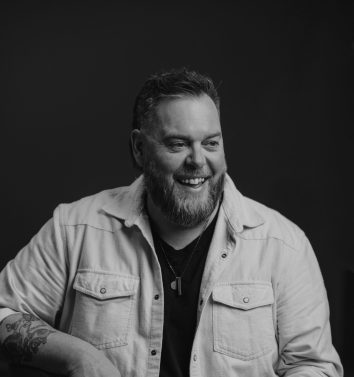

Exploration Guides Track
SUBJECT: THREE PERSPECTIVES IN THE ROOM: UNDERSTANDING THE FAMILY, CLIENT, AND THERAPIST EXPERIENCE IN TREATMENT*
(SPEAKING WITH DR. STEPHANIE EMDE)

PAM BLIZZARD
CPC, ADOH, ERCEM, Trauma-Informed Recovery Coach, Writer, and Educator
Pam Blizzard is a Couple–Centered Recovery® trained coach and APSATS-trained professional specializing in healing the relational impact of chronic deception, pornography use, and infidelity. She has personally coached over 500 betrayed partners, and interviewed more than 500 couples through Choose Connection Academy and has spent the last two years supporting hundreds of couples in group settings as they rebuild safety and stability—the foundation needed to grieve, repair, and create a new vision for their relationship.
Pam’s work is trauma-informed, partner-sensitive, and deeply practical. She helps betrayed partners reclaim emotional safety and personal power through clear boundaries, reality-honoring support, and nervous-system-informed tools. She also guides betraying partners in developing mature accountability and “safe presence”—learning how to show up with steadiness, empathy, and integrity in the moments that matter most. Known for telling the truth with compassion, Pam brings clarity, structure, and calm leadership to couples who feel stuck, overwhelmed, or unsure how to move forward.
Through her coaching, training, writing, speaking and educational resources, Pam helps individuals and couples move beyond surface-level "how to" steps into real transformation—becoming the kind of partners who can hold pain, tell the truth, and build a relationship that feels like home.
Restored Pathways Track
SUBJECT: THE LADDER BACK TO US: SAFE PRESENCE SKILLS BEFORE COMMUNICATION SKILLS
Most couples who experience chronic betrayal still have something incredibly valuable: they haven’t given up. The connection is bruised—sometimes bleeding, sometimes on fire—but they’re still reaching for each other. And yet, when they try to talk about repair, everything falls apart. They freeze, escalate, shut down, argue over details, or spiral into defensiveness and despair. Many have already spent time on repair only to hear the same advice: communicate better, use the scripts, learn the skills.
The problem is that communication skills are not the starting point. They’re the 7-foot rung of a ladder—useful, important, and completely unreachable when there’s no ground-level rung beneath you. After betrayal, the nervous system reads disconnection and uncertainty as a primal threat. When the body is in threat, the brain regions needed for empathy, perspective-taking, and self-awareness don’t cooperate well. Words become noise. Good intentions don’t translate. Even partners who can “do the skills” in a therapist’s office or support group may lose access to them face-to-face with their spouse, because this is their primary attachment relationship—the highest-stakes place to risk loss.
This talk offers a different order of operations: safe nervous system presence first. When a betraying partner learns to bring calm, grounded, emotionally attuned presence—especially with coaching support—the betrayed partner can feel safety in her own body again. That safety becomes the first rung of the ladder. From there, repair capacities come back online: empathy, honesty, accountability, and meaningful communication. Safety isn’t the end goal. It’s the doorway that makes healing possible.
CONNIE & BOB SPEIGEL
MCPC, CLCI, CCR
Connie Spiegel is a CPC and MCPC Master Level Certified Professional Coach, certified in 2013 by iPEC, an ICF-accredited institution. Alongside her husband, Bob, she owns Reconciled Relationships Coaching and Consulting, LLC.
Connie has extensive experience as a betrayal Coach and is CCR-Certified in Daring Ventures Couples Centered Recovery. She is also Gottman-trained and was trained by A Door of Hope. In her role at Daring Ventures, Connie coaches partners and couples, assists with therapeutic disclosures and intensives, as well as facilitating support groups for partners experiencing betrayal. Her professional history includes contract work with Dr. Jake Porter at Daring Ventures, Jason and Shelley Martinkus at Redemptive Living, and Dr. Sheri Denham Keffer within the Brave One community.
Connie’s mission is to support women navigating the pain of betrayal, helping them reclaim their voices and understand their worth as they determine a path forward. She is equally passionate about helping couples repair and heal. Furthermore, she is dedicated to educating organizations and churches on how to provide effective support rather than inflicting further therapeutic or spiritual harm.
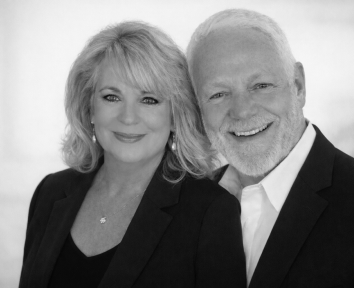
Outside of her professional work, Connie is an artist and writer. She and Bob have three adult children and eight grandchildren, who know her as "Coco."
Bob Spiegel is a graduate of the United States Military Academy at West Point. An engineer by trade, he owned and operated his own excavation company for 40 years. He is now a CPC and MCPC Master Level Certified Professional Coach, Certified in Dr. Jake Porters Couples Centered Recovery, and Trauma informed.
He is dedicated to helping men find freedom from compulsive sexual behaviors and helping men to develop an emotionally connected relationship with their partner. Bob spent decades working toward his own recovery, achieving lasting freedom 13 years ago after gaining a deeper understanding of the root causes of his behavior. Bob and his wife, Connie, have been married for a total of 48 years; though they divorced in 2000, they remarried in 2003.
Together, they own Reconciled Relationships Coaching and Consulting LLC. Bob also performs contract work for Dr. Jake Porter at Daring Ventures LLC. In his professional practice, Bob developed the “Sobriety Boot Camp” and “Men’s Relational Recovery” curriculums, facilitates men’s groups, provides individual coaching for men, Couples coaching alongside Connie, and facilitates therapeutic disclosures and intensives for couples. In his spare time, he enjoys spending time with his adult children and his eight grandchildren, who call him "Opa"
Restored Pathways Track
SUBJECT: HONORING GRIEF AS A PATH TO HEALING AND INTIMACY
Despite sobriety, relationships often remain strained because of a struggle to empathize with pain or a lack of guidance on healing the emotional injuries caused by past compulsive sexual acting out behaviors. A critical missing component in this process is often the opportunity to grieve, both individually and as a couple.
In our 48 years of marriage, we sought various types of help, yet we never understood the power of grieving together. Although Bob achieved sobriety in 2012 and I was very practiced grieving alone, our relationship remained in crisis for years. I initially attributed this to bitterness or unrealistic expectations, but we eventually realized we simply had not been taught how to process our pain in a space where grief is honored as a path to healing.
I once believed that sobriety and recovery would automatically lead to a healed marriage. While sobriety provided safety, unresolved grief prevented me from feeling the depth of love I desired. Despite Bob’s long-term sobriety, his relational deficits persisted; he remained a severe workaholic driven by a fear of failure. Our turning point occurred during a season of significant change. I began to express the layers of feelings I had suppressed for years. Today, we have a marriage we never dreamed possible. We have realized that teaching this shared grieving process to our clients creates space for deep, lasting intimacy.
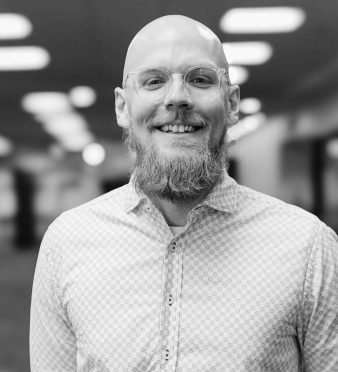
SPENCER KLINE
MA, LPCC-S, CSAT
Spencer Kline is licensed as a Professional Clinical Counselor with Supervision designation (LPCC-S) in the state of Ohio. Spencer holds designation as a Certified Sex Addiction Therapist through the International Institute of Trauma and Addiction Professionals. He also has training in EMDR (basic training) and the Gottman Method of couples counseling (level 1)
Spencer's private practice (which he has owned and operated since 2021) is affiliated with an Evangelical church in Northern Ohio. In this setting, he has had the opportunity to serve clients who are looking for faith-based sexual recovery treatment. Spencer is passionate about empowering Christian clients to non-judgmentally examine their belief system and its inevitable impact on their sexual expression. He finds it particularly rewarding to help clients redefine their beliefs in a way that promotes thriving and recovery from shame.
Resilient Travelers Track
SUBJECT: DECONSTRUCTING PURITY CULTURE: NAVIGATING CHALLENGES IN PROVIDING SEXUAL RECOVERY TREATMENT TO THE CHRISTIAN EVANGELICAL COMMUNITY*
Sex addiction therapeutic treatment is highly sought-after within Christian Evangelical communities, due to widespread Christian adherence to the Biblical call to fidelity within the confines of straight, monogamous marriage. Nuanced points of contention may likely arise when a conservative Evangelical individual seeks treatment from a sex-positive addiction treatment provider. Such potential treatment considerations may include (but are not limited to) the client's apprehension or confusion about such themes as sex-positivity, misogyny and gender role stereotypes, LGBTQ+ issues, stigmatization of fantasy as “sinful” or “lustful”, and exploration of fantasy as a potential means of healthy sexual expression.
This presentation outlines the possible points of dissonance between evidenced-based sex addiction recovery treatment and the worldview of the average Evangelical Christian. A major aim of this presentation will be to equip professionals to provide clinically informed treatment to Evangelicals that honors their religious beliefs and respectfully challenges their biases.
*Indicates sessions offering Continuing Education Credits
Lit Path has partnered with APSATS to offer continuing education (CE) credits. The Association of Partners of Sex Addicts Trauma Specialists (APSATS) has been
approved by NBCC as an Approved Continuing Education Provider, ACEP No.7435. Sessions that do not qualify for NBCC credit are clearly identified. APSATS is
solely responsible for all aspects of this program.